मेघदूत: "नीचैर्गच्छत्युपरि च दशा चक्रनेमिक्रमेण"

समर्थ शिष्या अक्का : "स्वामीच्या कृपाप्रसादे हे सर्व नश्वर आहे असे समजले. पण या नश्वरात तमाशा बहुत आहे."

G C Lichtenberg: “It is as if our languages were confounded: when we want a thought, they bring us a word; when we ask for a word, they give us a dash; and when we expect a dash, there comes a piece of bawdy.”

C. P. Cavafy: "I’d rather look at things than speak about them."

Martin Amis: “Gogol is funny, Tolstoy in his merciless clarity is funny, and Dostoyevsky, funnily enough, is very funny indeed; moreover, the final generation of Russian literature, before it was destroyed by Lenin and Stalin, remained emphatically comic — Bunin, Bely, Bulgakov, Zamyatin. The novel is comic because life is comic (until the inevitable tragedy of the fifth act);...”

सदानंद रेगे: "... पण तुकारामाची गाथा ज्या धुंदीनं आजपर्यंत वाचली जात होती ती धुंदी माझ्याकडे नाहीय. ती मला येऊच शकत नाही याचं कारण स्वभावतःच मी नास्तिक आहे."

".. त्यामुळं आपण त्या दारिद्र्याच्या अनुभवापलीकडे जाऊच शकत नाही. तुम्ही जर अलीकडची सगळी पुस्तके पाहिलीत...तर त्यांच्यामध्ये त्याच्याखेरीज दुसरं काही नाहीच आहे. म्हणजे माणसांच्या नात्यानात्यांतील जी सूक्ष्मता आहे ती क्वचित चितारलेली तुम्हाला दिसेल. कारण हा जो अनुभव आहे... आपले जे अनुभव आहेत ते ढोबळ प्रकारचे आहेत....."

Kenneth Goldsmith: "In 1969 the conceptual artist Douglas Huebler wrote, “The world is full of objects, more or less interesting; I do not wish to add any more.”1 I’ve come to embrace Huebler’s ideas, though it might be retooled as “The world is full of texts, more or less interesting; I do not wish to add any more.” It seems an appropriate response to a new condition in writing today: faced with an unprecedented amount of available text, the problem is not needing to write more of it; instead, we must learn to negotiate the vast quantity that exists. How I make my way through this thicket of information—how I manage it, how I parse it, how I organize and distribute it—is what distinguishes my writing from yours."

Tom Wolfe: "The first line of the doctors’ Hippocratic oath is ‘First, do no harm.’ And I think for the writers it would be: ‘First, entertain.’"

विलास सारंग: "… इ. स. 1000 नंतर ज्या प्रकारची संस्कृती रुढ झाली , त्यामध्ये साधारणत्व व विश्वात्मकता हे गुण प्राय: लुप्त झाले...आपली संस्कृती अकाली विश्वात्मक साधारणतेला मुकली आहे."

Thursday, July 06, 2017

कै. व्ही शांताराम यांचा द्रष्टेपणा ...'हिंदोस्तान'चा युवक नि 'चीन'ची युवति यांचा विवाह झाला - आणि त्या विवाहानें ९००,०००,००० लोकांमध्ये कायमचा स्नेहभाव निर्माण झाला ...India-China: A Love Gone Sour

Zhou Enlai on the success of the 1789 French Revolution:
 "It's too early to tell."

John Keay:
“...Though China had been (J. L.) Nehru’s biggest mistake, Kashmir was his greatest failure....”

(‘India: A History'. Revised and Updated, 2010)

A. G. Noorani, Frontline, October 2015:

“In 1960, India lost a chance to settle the border disagreement with China. China’s position has since hardened, and the concessions that Zhou Enlai was willing to make then are off the negotiating table now.”

खालील सिनेमा पोस्टर पहा.

'हिंदोस्तान'चा युवक नि 'चीन'ची युवति यांचा विवाह झाला - आणि त्या विवाहानें ९००,०००,००० लोकांमध्ये कायमचा स्नेहभाव निर्माण झाला'....[सध्या , गुगल नुसार, ९००,०००,००० (नव्वद कोटी) नव्हे तर २,६८२,०००,००० ( दोनशेअडुसष्ट कोटी)! ]... दुर्दैवाने तो  (कायमचा स्नेहभाव) झाला असला तरी फार वर्ष टिकला नाही...

श्री अमीर खान यांचा 'दंगल', २०१६ चीनमध्ये अतिशय लोकप्रिय झालेला आहे असे म्हणतात पण सध्या वेगवेगळ्या कारणांनी दोन देशातील तणाव प्रचंड वाढला आहे...

तो  नक्कीच कमी होईल पण त्या पार्श्वभूमीवर वाङ्मयशोभेच्या मे १९४६च्या अंकातील जाहिरात पाहून बरे वाटले....

कै. व्ही शांताराम यांच्या द्रष्टेपणाला या निमित्ताने दाद दिली पाहिजे...१९४५-४६ साली त्यांना हे समजत होत  की भारत-चीन स्नेहभाव हा आशियाच्या, जगाच्या दृष्टीने किती महत्वाचा आहे ते...लक्षात घ्या त्यावेळी राजकीय परिस्थिती आत्तापेक्षा अतिशय वेगळी होती. दुसरे महायुद्ध नुकतेच संपले होते, चीन मध्ये यादवी युद्ध सुरु होते आणि भारत अजून स्वतंत्र व्हायचा होता.

दुसरी एक गोष्ट - एक 'साधा' मराठी माणूस (डॉक्टर कोटणीस) शांतता नोबेल पुरस्काराच्या योग्यतेच काम करून गेला आहे. 


सौजन्य: वाङ्मय शोभा, बुकगंगा.कॉम

या कहाणी सारखीच आणखी एक प्रेमकहाणी तयार होते आहे असे बऱ्याच काळ, बऱ्याच जणांना वाटत होते ....


नेहरू आणि चु एन-लाय , बेजींग , ऑक्टोबर १९५४...हिंदी-चिनी भाईभाई काळात

सौजन्य: THE HINDU ARCHIVES

पण तसे अजिबात घडले नाही , त्याऐवजी युद्ध झाल... जे एका अर्थाने अजून संपलेले नाही....


Monday, July 03, 2017

ऑडेन, मर्ढेकर, जोव्वानी ब्बेलिनी आणि इनग्लोरियस बास्टर्डस...Auden's Ominous Ballad and The Agony in the Garden

खालील मजकूर, थोड्याफार फरकान, मी जून १५ २०१७ला फेसबुक वर पोस्ट केला होता:

"कै. म वा धोंड एक गोष्ट सांगायला (बहुदा) विसरतात , ते म्हणजे मर्ढेकरांच्या कित्येक कवितेतली गेयता ... हो, हो गेयता... मर्ढेकरांच्या कित्येक कविता मी गुणगुणल्या आहेत , अजूनही करतो.... माझ्या लेखी कोणताही कवी गेयतेशिवाय फार मोठा होऊच शकत नाही... पहा अरुण कोलटकर... ते तर काय बॉब डिलन चे चहाते ....

तोच प्रयत्न श्री व सौ पुलंनी जाहीर कार्यक्रमांतून केला पण नंतर सगळी गर्दी पुलंना बघायला जमु लागली (माझ्या वडिलांनी तो कार्यक्रम नाशिकला बघून समाधान व्यक्त केल होत)... कै. आनंद मोडकांनी मर्ढेकरांच्या 'बदकांचे गुपित'ला छान melancholic संगीत दिल आहे.... 

गेयतेच्या महत्वाचे एक उदाहरण ... कित्येक वेळा मी तयार केलेल्या मर्ढेकरांच्या फेसबुक पेज वर ऑडेन यांचा मर्ढेकरांवरच्या प्रभावाचा उल्लेख  झाला आहे ... त्या ऑडेन यांचे....

१९८३ची गोष्ट. मी एनआयबीएम, नेपियन सी रोड च्या लायब्ररीतुन एक मॅनेजमेंट सायन्सचे पुस्तक बॉरो केले होते. त्या पुस्तकात मी पहिल्यांदा ऑडेनयांची अंशतः उद्धृत केलेली खालील कविता वाचली आणि ती पूर्ण स्वरूपात मिळवून/ वाचून डायरेक्ट गुणगुणायलाच लागलो, इतका तीच्या व त्यांच्या प्रेमात पडलो... ही ती कविता, ballad :

"O what is that sound which so thrills the ear
Down in the valley drumming, drumming?
Only the scarlet soldiers, dear,
The soldiers coming.

O what is that light I see flashing so clear
Over the distance brightly, brightly?
Only the sun on their weapons, dear,
As they step lightly.

O what are they doing with all that gear,
What are they doing this morning, this morning?
Only their usual manoeuvres, dear,
Or perhaps a warning.

O why have they left the road down there,
Why are they suddenly wheeling, wheeling?
Perhaps a change in their orders, dear.
Why are you kneeling?

O haven't they stopped for the doctor's care,
Haven't they reined their horses, their horses?
Why, they are none of them wounded, dear,
None of the forces.

O is it the parson they want, with white hair,
Is it the parson, is it, is it?
No, they are passing his gateway, dear,
Without a visit.

O it must be the farmer who lives so near.
It must be the farmer so cunning, so cunning?
They have passed the farmyard already, dear,
And now they are running.

O where are you going? Stay with me here!
Were the vows you swore deceiving, deceiving?
No, I promised to love you, dear,
But I must be leaving.

O it's broken the lock and splintered the door,
O it's the gate where they're turning, turning;
Their boots are heavy on the floor
And their eyes are burning."

ही कविता १९३२ किंवा १९३६ साली लिहली गेली आहे.

हे वाचून माझ्या डोळ्यासमोर काय येत असेल तर - पहिले- दुसरे महायुद्ध, रशियन ऑक्टोबर क्रांती, चीनमधील सांस्कृतिक क्रांती यांच्या निमित्ताने झालेले असंख्य सामान्य , निरपराध लोकांचे अनन्वित हाल.... असं वाटतय की, कवितेत आहे, युरोपातील एका खेड्यातील नवरा-बायकोँवर गुजरलेला बाका प्रसंग.... शत्रू सैन्य दारापर्यंत येऊन पोचले आहे.... नवरा किंवा बायको , बहुदा नवरा, पळून जाऊ शकत आहे पण दुसऱ्याला ते शक्य नाहीये....अत्यंत साधे शब्द वापरून तयार केलेले एक हृदय विदारक चित्र माझ्या डोळ्या समोर उभे राहते.... डोळ्यात पाणी येते...

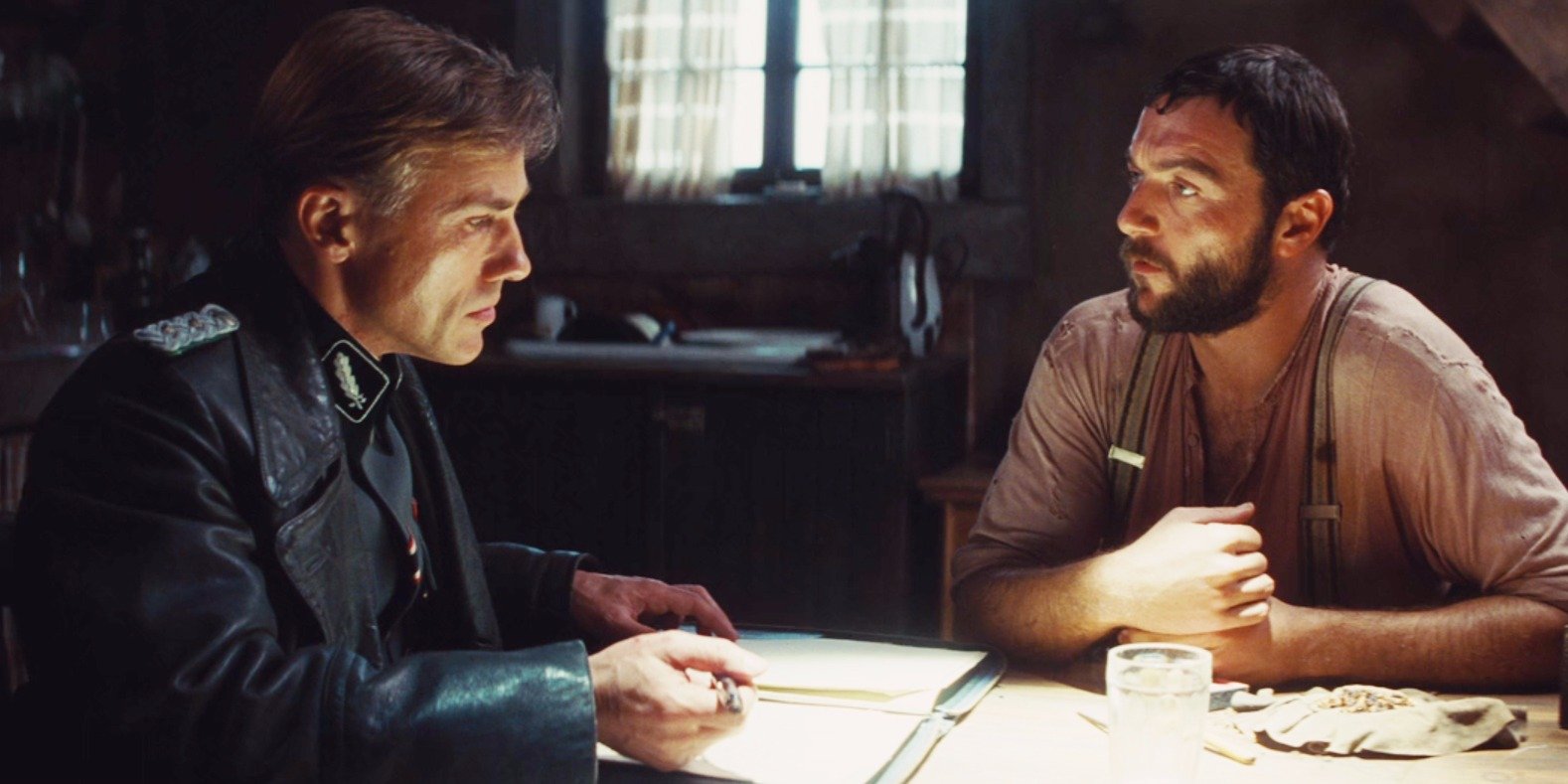
तुम्ही 'इनग्लोरियस बास्टर्डस' (Inglourious Basterds), २००९ सिनेमा पहिला असेल तर क्रिस्तोफ वाल्ट्झ फ्रेंच शेतकऱ्याशी, त्याच्या घरात दडलेले ज्यू कुटुंब शोधून काढायसाठी, कसा वागतो ते आठवा.

Christoph Waltz and Denis Ménochet

सौजन्य : Universal Pictures 

ऑडेन यांनी युद्धा बद्दल काही अप्रतिम कविता केलेल्या असल्यामुळ हा माझा समज दृढ झाला.

 रिचर्ड डव्हेनपोर्ट-हाईन्स ( Richard Davenport-Hines) मात्र आपल्याला ह्या कवितेबद्दल हे सांगतात:

"...Religious symbolism was important to Auden in the early 1930s though he did not count himself a Christian. In October 1932, for example, apparently after looking at Bellini's picture The Agony in the Garden depicting the arrest of Jesus and hanging in the National Gallery, he wrote his ominous ballad beginning 'O what is that sound which so thrills the ear'. It is not a Christian poem, and yet it was Christian imagery that excited him to write it..."
('Auden', १९९५)

जोव्वानी ब्बेलिनी (१४३०-१५१६) यांचे हेच ते अप्रतिम चित्र :
 
  सौजन्य : Wikimedia Commons

 नीट पहा... आकाशात तांबड फुटतय ('What are they doing this morning, this morning?'), येशु प्रार्थनेत आहे... आकाशात अँजेल आहे पण खाली जुडास ('O it must be the farmer who lives so near. / It must be the farmer so cunning, so cunning?') येतोय, रोमन सैन्या ('Only the sun on their weapons, dear,') बरोबर, येशूला पकडायला व  क्रूसावर लटकवायला आणि म्हणून... "Their boots are heavy on the floor/ And their eyes are burning" वगैरे...

पण ऑडेनना काही वाटत असो,  रिचर्ड डव्हेनपोर्ट-हाईन्सना काही वाटत असो, कविता वाचून (चित्र पाहून) माझ्या सारख्या वाचकाला काय वाटते हे सर्वात जास्त महत्वाचे आहे...आणि म्हणून मी मे २९ २०१७ला फेसबुक वरच्या पोस्ट मध्ये म्हटल :

"...दुसर मला हे समजत नाही की कवीला exactly काय म्हणायचे आहे हे जाणून घ्यायचा इतका राक्षसी आग्रह का? कवी काय म्हणायच ते म्हणून मोकळा झाला. आता आपण आपल्याला योग्य अर्थ घेऊया."

ता. क. डव्हेनपोर्ट-हाईन्सनायांचे आणखी एक वाक्य पहा : .Religious symbolism was important to Auden...तसाच तो मर्ढेकरांना महत्वाचा होता... म्हणूनच विलास  सारंग म्हणतात : बा. सी. मर्ढेकर: धार्मिक कवी ... "आधुनिक काळाला अनुसरून ते एक विशिष्ट दैवत भजत नाहीत, तर ईश्वराच्या व्यापक संकल्पनेवर त्यांचा रोख आहे." ..... मराठीतील माझे आवडते कवी सदानंद रेगे तर म्हणायचेच : " 'बायबल' माझं आवडतं पुस्तक आहे."....

Thursday, June 29, 2017

जेंव्हा जेन मॅन्सफील्ड यांचे उरोज सोफिया लॉरेन यांच्या जवळजवळ ताटात गेले...Jayne Mansfield, 50th Death Anniversary

#50YearsOn
#50YearsOnJayneMansfield

Today June 29 2017 is 50th death anniversary of Jayne Mansfield


J. G. Ballard, 'Atrocity Exhibition', 1970: 
"Were her breasts too large? No, as far as one can tell, but they loomed across the horizons of popular consciousness along with those of Marilyn Monroe and Jayne Mansfield. Beyond our physical touch, the breasts of these screen actresses incite our imaginations to explore and reshape them. The bodies of these extraordinary women form a kit of spare parts, a set of mental mannequins that resemble Bellmer’s obscene dolls. As they tease us, so we begin to dismantle them, removing sections of a smile, a leg stance, an enticing cleavage. The parts are interchangeable, like the operations we imagine performing on these untouchable women, as endlessly variable as the colours silkscreened on to the faces of Warhol’s Liz and Marilyn." 

Margaret Anne Doody, London Review of Books, June 1997:
"...In the period after World War Two, by contrast, and especially throughout the Fifties, women had to try to pad out their breasts, to match the attractions of bosomy stars like Rosalind Russell, Marilyn Monroe or the egregious Jayne Mansfield. Brassieres entered the consciousness already colonised by Freud, and anxiety about bosom shape afflicted all women, even young girls who were urged to get into a ‘training bra’ as soon as they could. There was a boom in the bust..."
 
Sophia Loren and Jayne Mansfield, 1957

courtesy: Copyright holders of the picture

 I must have seen Ms. Mansfield's pictures first in Life that my father used to bring home. She then was alive. I must have learned about her death many years after the event. I don't remember when I first  saw the 60-year-old picture above. Of course, once I saw it, it was almost impossible to forget it.

After maintaining silence for decades, Ms. Loren talked about this picture to Entertainment Weekly in 2014:

"...'Look at that picture. Where are my eyes?' Sophia told the publication. 'I'm staring at her nipples because I am afraid they are about to come onto my plate.' Indeed, the beauty - whose new memoir Yesterday, Today, Tomorrow: My Life will be released on Tuesday - looks put out that Jayne would let her chest be on such blatant display..."


Jocelyn Faris:
“...At 2:25 A.M. on June 29, 1967, Jayne Mansfield, Sam Brody, and Ronnie Harrison (a driver employed by Gus Stevens) were instantly killed in a freak automobile accident thirty miles from downtown New Orleans. Their car rear-ended a semi-truck in a white cloud of fog being produced by City of New Orleans mosquito spraying equipment. The three adults in the front seat received skull fractures and died instantly...

...Celebrity seekers sought to be with Jayne, even in death: "Her family had sought to avoid the sharp spotlight of publicity which the 34-year-old Miss Mansfield relished all her life. But the public craving to be near a celebrity, even in death, created a circus atmosphere in the tiny borough where she had spent several years of her early childhood . . . Spectators broke through police lines and ran across grass-covered graves to snap photographs of the bronze casket with its blanket of pink roses."...”