मेघदूत: "नीचैर्गच्छत्युपरि च दशा चक्रनेमिक्रमेण"

समर्थ शिष्या अक्का : "स्वामीच्या कृपाप्रसादे हे सर्व नश्वर आहे असे समजले. पण या नश्वरात तमाशा बहुत आहे."

G C Lichtenberg: “It is as if our languages were confounded: when we want a thought, they bring us a word; when we ask for a word, they give us a dash; and when we expect a dash, there comes a piece of bawdy.”

C. P. Cavafy: "I’d rather look at things than speak about them."

Martin Amis: “Gogol is funny, Tolstoy in his merciless clarity is funny, and Dostoyevsky, funnily enough, is very funny indeed; moreover, the final generation of Russian literature, before it was destroyed by Lenin and Stalin, remained emphatically comic — Bunin, Bely, Bulgakov, Zamyatin. The novel is comic because life is comic (until the inevitable tragedy of the fifth act);...”

सदानंद रेगे: "... पण तुकारामाची गाथा ज्या धुंदीनं आजपर्यंत वाचली जात होती ती धुंदी माझ्याकडे नाहीय. ती मला येऊच शकत नाही याचं कारण स्वभावतःच मी नास्तिक आहे."

".. त्यामुळं आपण त्या दारिद्र्याच्या अनुभवापलीकडे जाऊच शकत नाही. तुम्ही जर अलीकडची सगळी पुस्तके पाहिलीत...तर त्यांच्यामध्ये त्याच्याखेरीज दुसरं काही नाहीच आहे. म्हणजे माणसांच्या नात्यानात्यांतील जी सूक्ष्मता आहे ती क्वचित चितारलेली तुम्हाला दिसेल. कारण हा जो अनुभव आहे... आपले जे अनुभव आहेत ते ढोबळ प्रकारचे आहेत....."

Kenneth Goldsmith: "In 1969 the conceptual artist Douglas Huebler wrote, “The world is full of objects, more or less interesting; I do not wish to add any more.”1 I’ve come to embrace Huebler’s ideas, though it might be retooled as “The world is full of texts, more or less interesting; I do not wish to add any more.” It seems an appropriate response to a new condition in writing today: faced with an unprecedented amount of available text, the problem is not needing to write more of it; instead, we must learn to negotiate the vast quantity that exists. How I make my way through this thicket of information—how I manage it, how I parse it, how I organize and distribute it—is what distinguishes my writing from yours."

Tom Wolfe: "The first line of the doctors’ Hippocratic oath is ‘First, do no harm.’ And I think for the writers it would be: ‘First, entertain.’"

विलास सारंग: "… इ. स. 1000 नंतर ज्या प्रकारची संस्कृती रुढ झाली , त्यामध्ये साधारणत्व व विश्वात्मकता हे गुण प्राय: लुप्त झाले...आपली संस्कृती अकाली विश्वात्मक साधारणतेला मुकली आहे."

Saturday, May 09, 2020

...तिठ्यावर उभा मी...Yesterday, Last Summer, Tomorrow


Artist: Saul Steinberg, 1969

I can never go back to yesterday , even last summer looks like from another world & time and tomorrow is here....

Thursday, May 07, 2020

Geeta Bali@90....A Victim of Smallpox

कै गीता बाली यांची जन्म तारीख कुठे मिळाली नाही पण जन्मसाल १९३० आहे.

जगातील माझ्या अत्यंत आवडत्या सिने कलाकारांपैकी त्या एक आहेत. त्या पडद्यावर असतील तर माझे दुसरीकडे लक्षच जात नाही.


सौजन्य: अनामिक फोटोग्राफर
 कलाकार : आर के लक्ष्मण 


Saturday, May 02, 2020

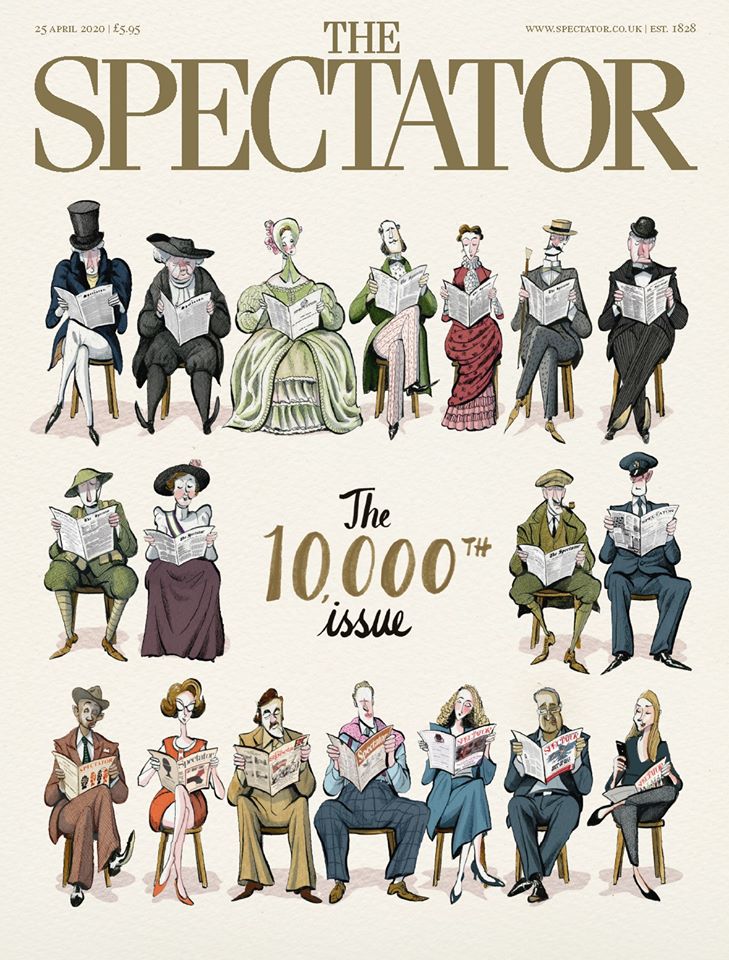
द स्पेक्टेटर , १०००० वा अंक!....The Spectator 1828- 2020-


George Orwell, 'Lear, Tolstoy and the Fool':
"Ultimately there is no test of literary merit except survival, which is itself an index to majority opinion."
 

"... A new history of The Spectator is published by David Butterfield (on sale today) and its first chapter underlines a point I’ve been thinking about a lot over these past few weeks. R.S. Rintoul, who set up The Spectator in 1828, feared there would never be a proper commercial market for a magazine that rejected partisanship, and that cared as much about art, books and ideas as economics and foreign affairs. But it worked..."

 १८२८ ते २०२०...  ह्या मासिकाच्या दीर्घायुष्याची दाद दिली पाहिजे कारण कोणत्याही भारतीय भाषेत एवढे काळ (कदाचित एखादे वर्तमानपत्र सोडून) काय टिकले आहे? साप्ताहिक किंवा मासिक तरी नक्कीच नाही. 

इतिहासकार टॉम हॉलंड:
"... For Rintoul, as it had been for Addison and Steele, the great enemy of journalism was dullness. Today’s Spectator, almost 200 years on, still manifestly subscribes to that conviction. It is evident in its patronage of writers who have variously drunk themselves to death or gone to prison for possession of cocaine; in the surge of sex scandals that, during the editorship of the current Prime Minister, added so hugely to the gaiety of the nation; in its willingness to probe the limits of what liberal opinion in Britain today regards as acceptable, and to do so in a tone of satire that Swift might well have enjoyed..."

आता ह्या स्पेक्टेटराचा आणि मराठीचा १९ व्या शतकात कसा संबंध आला ते पहा. 

टॉम हॉलंड :
"... The magazine has always cast a certain wistful gaze back at the 18th century. This is evident enough from its title. To launch a new publication back in 1828 was no less a leap of faith than it would be today — but to call it The Spectator was a gesture of self-confidence so lavish that it might have seemed to verge on the conceited. The original Spectator, founded in 1711, was a daily publication which, despite folding after a year, had come to be enshrined over the course of the 18th century as a supreme model of English prose.
As David Butterfield describes in his history of the magazine, Joseph Addison and Richard Steele, the men who had written the essays which constituted The Spectator’s daily offering, were admired by even the most exacting critics. ‘Who ever wished to attain an English style, familiar but not coarse, and elegant but not ostentatious, must give his days and nights to the study of Addison.’ This decree, coming from the robustly Tory Dr Johnson, was praise indeed for a man who had ranked as a most notorious Whig. To call a magazine The Spectator, then, was to follow in the footsteps of giants...."

विष्णुशास्त्री चिपळूणकर:
"...उदाहरणार्थ, इंग्लिश भाषेत पहा.  हित जे ग्रंथकार आजपर्यंत झाले त्या  सर्वात आडिसन याची प्रमुखत्वाने गणना आहे.… व जोवर या पृथ्वीवर इंग्लिश राहील तोंवर वरील ग्रंथकाराचे लेख  बुडायचे नाहीत असा खात्रीचा अभिप्राय मोठमोठ्यांनी प्रदर्शित केला आहे…"

आडिसन म्हणजे Joseph Addison!


Thursday, April 30, 2020

तो पहा! तो पहा!! रिषी कपूर! रिषी कपूर!!...I Was Born Lucky and Stayed Lucky

#RishiKapoor

"...My grandfather, veteran thespian Prithviraj Kapoor, who was a legend in his own right and acclaimed for his performances in classics such as Alam Ara (1931) and Vidyapati (1937), had wrapped up work on Anand Math (1952), his seventeenth film, and hurried home.
My grandmother, Ramsarni, pushed the men out of the room. When I finally emerged hours later, a robust and rosy-cheeked baby, my relieved and joyous father popped open a bottle of champagne to celebrate the arrival of yet another boy. I could not have asked for a more boisterous or star-studded welcome.
I am Prithviraj Kapoor’s grandson.
Raj Kapoor’s son.
I am Neetu Kapoor’s husband.
Riddhima and Ranbir Kapoor’s father.
I am Rishi Kapoor.
I was born lucky and stayed lucky...."

('Khullam Khulla: Rishi Kapoor Uncensored', 2017 by Rishi Kapoor and Meena Iyer)

caption: तो पहा! तो पहा!! रिषी कपूर!  रिषी कपूर!!
Artist: Vasant Sarwate
"...Second picture is from 1974 (33 years ago!) and brings out visionary qualities of good art. Architects and urban planners like Charles Correa had opposed expansion of Mumbai into Arabian sea. They saw what would become of Mumbai. But no one 'saw' it better than Sarwate.

Picture shows few in the crowd spotting Bollywood actor Rishi Kapoor flying over them in a helicopter and are shouting his name.
Picture captures beautifully what was eternal in Mumbai- her glamour manifested mainly through film industry and what was changing- her physical landscape, getting perhaps uglier...."

Tuesday, April 28, 2020

From "Offensive" Vaginal Odors to Coronavirus!....Journey of Lysol


Once Lysol was recommended for both the women and the kitchen floors!
"...Lysol, which shares germicidal properties with carbolic acid, was a highly recommended treatment for "offensive" vaginal odors. This initiated a vicious cycle, so to speak: a self-conscious, but often healthy, woman would douche with Lysol and kill off normal flora (and scald her tissues), which would pave the way for bacterial/yeast infections, which WOULD cause an offensive odor, which would compel her to douche more often. Because an abnormal body odor in a normally clean person indicates an underlying problem, women who actually did have a raging infection only made matters worse with this frequent purging..."

(from 'Flow: The Cultural Story of Menstruation' by Elissa Stein and Susan Kim, 2009)

Q: What was common to a woman working in a kitchen and the kitchen floor?
A: Both were disinfected with Lysol, a household cleaner!


Artist: Darrin Bell, April 24 2020

Saturday, April 25, 2020

विंदा , फिलिप रॉथ, विलास सारंग.....Vinda, Roth, Sarang

सौजन्य: विंदा करंदीकर यांच्या कार्याचे कॉपी राईट होल्डर्स

(पृष्ठ ११४-११५, हिमयोग, जातक, १९६८/१९८३)

या कवितेचे कौतुक विलास सारंग करतात पण त्यांना त्रास होतो कवीने शेवटच्या ओळीत नियती काढण्याचा आणि ते म्हणतात :

"... जणू नियती वगैरे तात्विक कल्पना आणल्याशिवाय कवितेला भारदस्तपणा येत नाही !... विचारांच्या पोकळपणाची अशी तीव्र जाणीव असलेल्या कवीने वास्तवाच्या तपशिलाचे मास आपल्या कवितेवर चढविण्याऐवजी वैचारिक चौकटींना (सांगाड्यांना) अधिक महत्व द्यावे , ही आश्चर्याची तसेच खेदाची बाब आहे."
(पृष्ठ ११३, विंदा करंदीकर यांची कविता, अक्षरांचा श्रम केला, २०००)

हे सगळे वाचल्यावर मला फिलिप रॉथ यांच्या वर झालेल्या टीकेची आठवण झाली :


"It’s a perfect embodiment of (Philip) Roth’s foundational move. First, set up a lofty premise, imbued with suffering and meaning and art, a furnace of emotions, every bit as universal as the great masterworks. Then, talk about your dick.

The superabundance of cock in Roth’s work is more than a stylistic choice aiming to shock and unnerve. It transcends even the fair accusations of chauvinism frequently lobbed at Roth by feminist critics and former lovers. It is his primary state of mind. Like a true artist, he feels that turbid ebb and flow very acutely; a delicate and accurate seismograph of suffering, he registers its minute tremors. But he knows no other way to deal with the burden than unzipping his fly.
"


('The Grapes of Roth', Tablet Magazine, November 2011)