मेघदूत: "नीचैर्गच्छत्युपरि दशा चक्रनेमिक्रमेण"

समर्थ शिष्या अक्का : "स्वामीच्या कृपाप्रसादे हे सर्व नश्वर आहे असे समजले. पण या नश्वरात तमाशा बहुत आहे."

G C Lichtenberg: “It is as if our languages were confounded: when we want a thought, they bring us a word; when we ask for a word, they give us a dash; and when we expect a dash, there comes a piece of bawdy.”

C. P. Cavafy: "I’d rather look at things than speak about them."

Martin Amis: “Gogol is funny, Tolstoy in his merciless clarity is funny, and Dostoyevsky, funnily enough, is very funny indeed; moreover, the final generation of Russian literature, before it was destroyed by Lenin and Stalin, remained emphatically comic — Bunin, Bely, Bulgakov, Zamyatin. The novel is comic because life is comic (until the inevitable tragedy of the fifth act);...”

सदानंद रेगे: "... पण तुकारामाची गाथा ज्या धुंदीनं आजपर्यंत वाचली जात होती ती धुंदी माझ्याकडे नाहीय. ती मला येऊच शकत नाही याचं कारण स्वभावतःच मी नास्तिक आहे."

".. त्यामुळं आपण त्या दारिद्र्याच्या अनुभवापलीकडे जाऊच शकत नाही. तुम्ही जर अलीकडची सगळी पुस्तके पाहिलीत...तर त्यांच्यामध्ये त्याच्याखेरीज दुसरं काही नाहीच आहे. म्हणजे माणसांच्या नात्यानात्यांतील जी सूक्ष्मता आहे ती क्वचित चितारलेली तुम्हाला दिसेल. कारण हा जो अनुभव आहे... आपले जे अनुभव आहेत ते ढोबळ प्रकारचे आहेत....."

Kenneth Goldsmith: "In 1969 the conceptual artist Douglas Huebler wrote, “The world is full of objects, more or less interesting; I do not wish to add any more.”1 I’ve come to embrace Huebler’s ideas, though it might be retooled as “The world is full of texts, more or less interesting; I do not wish to add any more.” It seems an appropriate response to a new condition in writing today: faced with an unprecedented amount of available text, the problem is not needing to write more of it; instead, we must learn to negotiate the vast quantity that exists. How I make my way through this thicket of information—how I manage it, how I parse it, how I organize and distribute it—is what distinguishes my writing from yours."

Tom Wolfe: "The first line of the doctors’ Hippocratic oath is ‘First, do no harm.’ And I think for the writers it would be: ‘First, entertain.’"

विलास सारंग: "… . . 1000 नंतर ज्या प्रकारची संस्कृती रुढ झाली , त्यामध्ये साधारणत्व विश्वात्मकता हे गुण प्राय: लुप्त झाले...आपली संस्कृती अकाली विश्वात्मक साधारणतेला मुकली आहे."

Monday, November 21, 2022

It's Just a Mirage....FIFA WC Begins

Today November 21 2022, 2022 FIFA World Cup begins

Courtesy: The Spectator, UK, 2013

Saturday, November 19, 2022

जीएंचा डोळ्याच्या बाहुल्या उफराट्या असलेला एक प्राणी...Vermeer’s Precious Gem is an Opulent Optical Illusion

जी. ए. कुलकर्णी:   

"रेम्ब्राँन्टच्या चित्रांत छाया आणि प्रकाश यांना जे थोर वजन प्राप्त होते, ते कधी एकदा तरी आयुष्यात माझ्या शब्दांना लाभावे एवढीच माझी प्रार्थना आहे."

"... अद्यापही एखाद्या Rembrandt किंवा Vermeer सारख्या अद्वितीय चित्रकाराच्या कृतीची मी Tolerable copy करू शकतो..."

".. स्त्री काय, पुरुष काय, मानव म्हणजे एकंदरीने डोळ्याच्या बाहुल्या उफराट्या असलेला एक प्राणी हेच खरे !..."


 Kelly Grovier, 2019:  

"Think you see a pearl dangling lustrously in Vermeer’s famous portrait (c. 1665) of a girl endlessly turning towards or away from us? Think again. The swollen bauble around which the painting’s mystery spins is just a pigment of your imagination. With a flick of the wrist and two deft dabs of white paint, the artist has tricked the primary visual cortices of our brains’ occipital lobes into magicking a pearl from the thinnest of air. Squint as tight as you wish and there is no loop that links the ornament to her ear. Its very sphericity is a hoax. We’ve willed the earring into weightless suspension from the puniest of white apostrophes. Vermeer’s precious gem is an opulent optical illusion, one that reflects back on our own illusory presence in the world."

जीएंना हे optical illusion माहित होते का? माहित नाही पण त्यांनी "our own illusory presence in the world" या बद्दल मात्र वारंवार लिहले आहे. 

Wednesday, November 16, 2022

लग्नाला सोळा वर्षे, बारा मुले, अनंत प्रलोभने तरी पत्नीप्रेम?...Shah Jahan and Mumtaz

ज्या शाहजहाँच्या जनानखान्यात असंख्य स्त्रिया होत्या , त्याला आपल्या एका पत्नी, मुमताज महल (१५९३-१६३१), बद्दल एवढे आकर्षण कसे वाटत राहिले?

खालील उत्तर रोचक आणि २१व्या शतकातील लोकांना सुद्धा थक्क करून टाकणारे आहे.

मुमताज महल हे करू शकत होत्या याचा अर्थ त्याकाळच्या बहुतेक श्रीमंत स्त्रियांना, विशेषतः उत्तर हिंदुस्तानातील राजघराण्यातल्या, यातील अनेक गोष्टी करता येत असतीलच.

पण ज्याला आपण प्रेम म्हणतो त्याला खालील गोष्टींचा सुद्धा  टेकू मिळाला गेला असायची शक्यता कधीच नाकारता येणार नाही.

Diana Preston & Michael Preston, ‘A Teardrop on the Cheek of Time’, 2007:
 “…Even after sixteen years of marriage and twelve children, Mumtaz clearly still held a unique sexual attraction for Shah Jahan. She was by now in her late thirties, an age at which most wives and concubines were considered too old for sex, but as with her aunt Nur her beauty must have endured. She could also rely on a formidable battery of cosmetics to beautify and purify her body for the imperial bed, including concoctions of flowers, seeds and oils to give added lustre to black hair, black powdered antimony sulphide – kohl – to rim her eyes and pastes of burned conchshells and banana juice to remove unwanted hair.*
Mumtaz also had available the most seductive of clothes – thin silks in rainbow hues from pale apricot to lilac to ruby red, or diaphanous, gossamer-thin muslins that, because of their fine texture, were given names like ‘running water’, ‘woven air’ and ‘evening dew’. They were made up into tight-fitting pyjama or salwar – drawers which fastened with bunches of pearls – tight cholis or bodices, half concealing the breasts, and a V-necked pesvaj, a long transparent coat open to the ankles from its fastening at the breast. Though the clothes of Moghul women were still heavily Turkish in style, they had adopted Hindu ways of dressing their hair. Instead of simply wearing it loose and parted, they had begun twisting it ‘into a flat pad at the back from which a few curls rolled on’. Mumtaz draped her head with golden veils or wore turbans of bright silk with waving ostrich plumes. As the favourite wife of an emperor who was passionate about gems, she would also have possessed the most fabulous and elaborate of jewels. Some slight hint of what she must have worn comes from a European doctor allowed to treat a woman of the imperial harem. He complained that he was unable to locate his patient’s pulse because of the ‘very rich bracelets or bands of pearls which usually go round nine or twelve times’.
The sexual gratification of the emperor was paramount and there were techniques Mumtaz could use to make her vagina, the madan-mandir, or temple of love, slackened through constant pregnancies, contract to enhance his pleasure. She could delicately apply such fragrant pastes as camphor mixed with honey, lotus flowers crushed in milk, or pounded pomegranate skins to the vagina walls. However, the need for women to experience sexual pleasure was also understood and a range of aphrodisiac concoctions existed to help women achieve orgasm. Some, like powdered ginger and black pepper, mixed with the honey of a large bee, were applied inside the vagina. Other aphrodisiac concoctions were smeared on the lover’s penis two hours before intercourse; by stimulating and enlarging the organ, these were said to heighten the woman’s sensation. There were also methods of delaying male ejaculation, some involving swallowing opium, and aphrodisiacs claimed to be so effective that they gave a man the sexual energy of a stallion. A set of stimulants collectively named ‘the Making of the Horse’ was particularly popular….”


Monday, November 14, 2022

Veronica Lake@100

#VeronicaLakeAt100

Today November 14 2022 is 100th birth anniversary of Veronica Lake (1922-1973)


Veronica Lake in 'The Blue Dahlia', 1946

Saturday, November 12, 2022

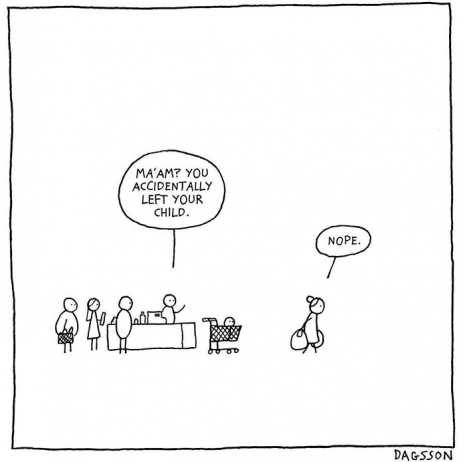
Nature to Kunti: MA'AM? YOU ACCIDENTALLY LEFT YOUR CHILD.


"...
शिवास्ते सन्तु पन्थानो मा ते परिपन्थिनः।
आगताश्च तथा पुत्र भवन्त्यद्रोहचेतसः ।।
पातु त्वां वरुणो राजा सलिले सलिलेश्वरः।
अन्तरिक्षेऽन्तरिक्षस्थः पवनः सर्वगस्तथा ।।
पिता त्वां पातु सर्वत्र तपनस्तपतांवरः।
येन दत्तोसि मे पुत्र दिव्येन विधिना किल ।।
आदित्या वसवो रुद्राः साध्या विश्वे देवताः।
मरुतश्च सहेन्द्रेण दिशश्च सदिदीश्वराः ।।
रक्षन्तु त्वां सुराः सर्वे समेषु विषमेषु च।
वेत्स्यामि त्वांविदेशेपि कवचेनाभिसूचितम् ।।
धन्यस्ते पुत्र जनरको देवो भानुर्विभावसुः।
स्त्वां द्रक्ष्यति दिव्येन चक्षुषा वाहिनीगतम् ।।
धन्या सा प्रमदा या त्वां पुत्रत्वे कल्पयिष्यति।
यस्यास्त्वं तृषितः पुत्र स्तनं पास्यसि देवज ।।
कोनु स्वप्नस्तया दृष्टो या त्वामादित्यवर्चसम्।
दिव्यवर्मसमायुक्तं दिव्यकृण्डलभूषितम् ।।
पद्मायतविशालाक्षं पद्मताम्रदलोज्ज्वलम्।
सुललाटं सुकेशान्तं पुत्रत्वे कल्पयिष्यति ।।
धन्या द्रक्ष्यन्ति पुत्र त्वां भूमौ संसर्पमाणकम्।
अव्यक्तकलवाक्यानि वदन्तं रेणुगुण्ठितम् ।।
धन्या द्रक्ष्यन्ति पुत्र त्वां पुनर्यौवनगोचरम्।
हिमवद्वनसंभूतं सिंहं केसरिणं यथा ।।...
"
(May all thy paths be auspicious! May no one obstruct thy way! And, O son, may all that come across thee have their hearts divested of hostility towards thee: And may that lord of waters, Varuna. protect thee in water! And may the deity that rangeth the skies completely protect thee in the sky. And may, O son, that best of those that impart heat, viz., Surya, thy father, and from whom I have obtained thee as ordained by Destiny, protect thee everywhere! And may the Adityas and the Vasus, the Rudras and the Sadhyas, the Viswadevas and the Maruts, and the cardinal points with the great Indra and the regents presiding over them, and, indeed, all the celestials, protect thee in every place! Even in foreign lands I shall be able to recognise thee by this mail of thine! Surely, thy sire, O son, the divine Surya possessed of the wealth of splendour, is blessed, for he will with his celestial sight behold thee going down the current! Blessed also is that lady who will, O thou that are begotten by a god, take thee for her son, and who will give thee suck when thou art thirsty! And what a lucky dream hath been dreamt by her that will adopt thee for her son, thee that is endued with solar splendour, and furnished with celestial mail, and adorned with celestial ear-rings, thee that hast expansive eyes resembling lotuses, a complexion bright as burnished copper or lotus leaves, a fair forehead, and hair ending in beautiful curls! O son, she that will behold thee crawl on the ground, begrimed with dust, and sweetly uttering inarticulate words, is surely blessed! And she also, O son, that will behold thee arrive at thy youthful prime like maned lion born in Himalayan forests, is surely blessed!)


Artist: Hugleikur Dagsson

Wednesday, November 09, 2022

China - the Cake of Kings and India - Plumb-Pudding of Geat Britain


Creator(s):     Meyer, Henri

The great powers of Europe, brandishing knives, competing to carve up China: Queen Victoria, Kaiser Wilhelm II, and Czar Nicolas II. Marianne of France looks on, supporting her Russian ally. Japan contemplates what move to make, while a caricature of China is dismayed but powerless.


Creator(s): Gillray, James, 1756-1815

The plumb-pudding in danger' is probably Gillray's most famous print. It achieves its impact through the simplicity of its design and the brilliant economy with which Gillray captures the political situation. Napoleon Bonaparte and William Pitt face each other across a steaming 'plum-pudding' globe, both intent on carving themselves a substantial portion of the world. Pitt appears calm, meticulous and confident, spearing the pudding with a trident indicative of British naval supremacy. He lays claim to the oceans and the West Indies. In contrast Napoleon Bonaparte reaches from his chair with covetous, twitching eyes fixed on the prize of Europe and cuts away France, Holland, Spain, Switzerland, Italy and the Mediterranean