मेघदूत: "नीचैर्गच्छत्युपरि दशा चक्रनेमिक्रमेण"

समर्थ शिष्या अक्का : "स्वामीच्या कृपाप्रसादे हे सर्व नश्वर आहे असे समजले. पण या नश्वरात तमाशा बहुत आहे."

G C Lichtenberg: “It is as if our languages were confounded: when we want a thought, they bring us a word; when we ask for a word, they give us a dash; and when we expect a dash, there comes a piece of bawdy.”

C. P. Cavafy: "I’d rather look at things than speak about them."

Martin Amis: “Gogol is funny, Tolstoy in his merciless clarity is funny, and Dostoyevsky, funnily enough, is very funny indeed; moreover, the final generation of Russian literature, before it was destroyed by Lenin and Stalin, remained emphatically comic — Bunin, Bely, Bulgakov, Zamyatin. The novel is comic because life is comic (until the inevitable tragedy of the fifth act);...”

सदानंद रेगे: "... पण तुकारामाची गाथा ज्या धुंदीनं आजपर्यंत वाचली जात होती ती धुंदी माझ्याकडे नाहीय. ती मला येऊच शकत नाही याचं कारण स्वभावतःच मी नास्तिक आहे."

".. त्यामुळं आपण त्या दारिद्र्याच्या अनुभवापलीकडे जाऊच शकत नाही. तुम्ही जर अलीकडची सगळी पुस्तके पाहिलीत...तर त्यांच्यामध्ये त्याच्याखेरीज दुसरं काही नाहीच आहे. म्हणजे माणसांच्या नात्यानात्यांतील जी सूक्ष्मता आहे ती क्वचित चितारलेली तुम्हाला दिसेल. कारण हा जो अनुभव आहे... आपले जे अनुभव आहेत ते ढोबळ प्रकारचे आहेत....."

Kenneth Goldsmith: "In 1969 the conceptual artist Douglas Huebler wrote, “The world is full of objects, more or less interesting; I do not wish to add any more.”1 I’ve come to embrace Huebler’s ideas, though it might be retooled as “The world is full of texts, more or less interesting; I do not wish to add any more.” It seems an appropriate response to a new condition in writing today: faced with an unprecedented amount of available text, the problem is not needing to write more of it; instead, we must learn to negotiate the vast quantity that exists. How I make my way through this thicket of information—how I manage it, how I parse it, how I organize and distribute it—is what distinguishes my writing from yours."

Tom Wolfe: "The first line of the doctors’ Hippocratic oath is ‘First, do no harm.’ And I think for the writers it would be: ‘First, entertain.’"

विलास सारंग: "… . . 1000 नंतर ज्या प्रकारची संस्कृती रुढ झाली , त्यामध्ये साधारणत्व विश्वात्मकता हे गुण प्राय: लुप्त झाले...आपली संस्कृती अकाली विश्वात्मक साधारणतेला मुकली आहे."

Saturday, July 01, 2023

मॉर्गन पार्कर, विलास सारंगांच्या कथेतील 'सुवासिक कंट' आणि जी ए कुलकर्णी यांचे पत्र ...Vaginal Spray In a Marathi Short Story From 1974

Morgan Parker, 'Hottentot Venus', 2016:
"I wish my pussy could live
in a different shape and get
some goddamn respect.
..." 
('There Are More Beautiful Things Than Beyoncé')

Claire Luchette:
"....The subtle differences between profane words pose significant challenges to literary translators. In choosing equivalents between languages, context is as important, and can be as hard to determine, as the cultural taboo of particular words. According to Idra Novey, an American novelist and poet who translates Spanish literature into English, “What sounds violent or shocking in one language may not resonate the same way in translation.”
As an example, Novey points to the Chilean concha tu madre. “Its literal meaning is ‘shell of your mother,’ with ‘concha’ shell being a vulgar word for vagina along the lines of pussy or cunt. Its intended profane meaning is ‘your mother's pussy,’” Novey says. She explains that the phrase is used in contemporary Chilean poetry to “indicate rage or informal exclamatory speech, but translating its connotations and what they reveal about the speaker, using the phrase in one context or another, is tricky.”..."

Dennis Zhou, The Spectator, UK, April 2018:
"....In Tropic of Cancer, you were only a sex and a stomach. In Black Spring, you begin to have eyes, a heart, ears, hands. By and by, with each book, you will create a complete man, and then you will be able to write about woman..."


Philip Larkin:
“....Someone else feeling her breasts and cunt,
Someone else drowned in that lash-wide stare,
And me supposed to be ignorant,
Or find it funny, or not to care,
Even … but why put it into words?
Isolate rather this element
...”

२०१९ साली बहुतेकांना सेक्स, हिंसाचार आणि त्याला  अनुसरून वापरली जाणारी भाषा यामुळे धक्का बसायचे केंव्हाच थांबले आहे. जी. एं. नी तो इशारा खालील पत्रात श्री. पु. भागवतांना दिला होता.  


सौजन्य: जी. ए. कुलकर्णी यांच्या साहित्याचे कॉपीराईट होल्डर्स 

 जी एं. ना 'सुवासिक कन्ट' या शब्दाचा वापर हा एक 'आचरट धीटपणा' वाटतो.

जी ए हेन्री मिलर यांचे वाचक पूर्वीपासून होते, आणि मिलर त्यांना 'त्यामानाने कितीतरी सुसंगत' वाटायचे. १७/१/१९६० च्या पत्रात जीए श्री. पु. भागवतांना हेन्री मिलर यांची पुस्तके मुबईहून पोस्टाने पाठ्वण्याबद्दल विनंती करताना दिसतात.  त्यातले एक पुस्तक असावे 'ट्रॉपिक ऑफ कॅन्सर', १९३४.

मिलर यांचे  हे  पुस्तक अत्यंत वादग्रस्त ठरले. त्यावर  अमेरिकेत १९६१पर्यंत बंदी होती. त्या पुस्तकात कन्ट या शब्दाची नुसती पखरण आहे. त्या पुस्तकात एक वाक्य अस आहे : "...It's disgusting. I tell you, I'm actually beginning to hate cunt!..." काही वाचकांना पण कन्ट शब्द वाचून वाचून कदाचित हेच म्हणावस वाटत असेल!

दुसर एक वाक्य पहा: "..."That's just a line with her," says Van Norden. "Don't let her work on your sympathies. Just the same, I wish she'd talk about something else. How the hell can you get up any passion when you've got a starving cunt on your hands?"..."

इथे कन्ट 'starving' आहे.

कन्टला  वापरलेली पुस्तकातील इतर विशेषणे पहा : rich, foolish, Danish, new, married, fucking, Georgia, laboratory, warm, young, old, bastardly, real, French, fucked-out.....

'आचरट धीटपणा'....पण कितीवेळा आणि कोणकोणत्या प्रकारे!


Tuesday, June 27, 2023

How We Deal With An Elephant In The Room


Proserpine, daughter of the earth goddess Ceres, was kidnapped by Pluto, the god of the underworld. Despite the resistance put up by Minerva, Venus and Diana, their relationship would blossom into love, as revealed by the presence of the cupids holding the chariot reigns and urging the horses on.


Artist: Peter Paul Rubens, 1636-1638
 
आता या किंवा या सारख्या मिथ वरती अत्यंत मजेशीर चित्र पहा 


Artist: Constantin Alajálov (1900- 1987), The New Yorker, February 1933

आता एवढे मोठे मिथक समोर चित्रात असताना , चित्रकार बाईंनी चितारायला निवडलाय चित्रातील पक्षी!

अशा प्रकारच्या असंख्य गोष्टी संस्कृतीत होत असतात आणि आपणही हळू हळू पक्षाकडे बघायला सरावतो....

Sunday, June 25, 2023

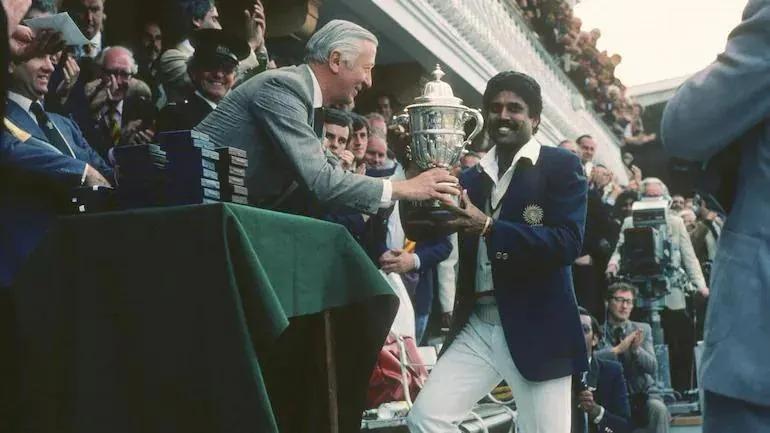
तितकी सुंदर हरणे पुन्हा दिसलीच नाहीत...1983 World Cup at Brahmputra, IIT, Madras


तितकी सुंदर हरणे पुन्हा दिसलीच नाहीत...
 
४० वर्षांपूर्वी FB असते तर त्याने मला आज आठवण करून दिलीच असती, पण त्याची गरज नाही. 
 
२५ जून १९८३ रोजी भारताने क्रिकेटचा विश्वचषक जिंकला , १९७५ च्या हॉकीच्या नंतर.
 
मी त्यावेळी आय आय टी मद्रास च्या उत्कृष्ट, स्पार्टन अशा ब्रह्मपुत्रा हॉस्टेल मध्ये रहात होतो, लवकरच शिक्षण संपणार होते आणि थोडे उशिरा आवडायला लागलेले मद्रास- नोकरी थोडक्यात तिथे न मिळाल्याने- सुटणार होते.
 
ब्रह्मपुत्रा नवीन हॉस्टेल होते, चकाचक, प्रत्येक विद्यार्थ्याला स्वतंत्र खोली होती, त्या खोलीला छोटी गॅलरी होती, गॅलरीच्या खाली हरणे जमा होत, मी सर्वात वरच्या तिसऱ्या मजल्यावर होतो...
 
प्रशस्त कॉमन रूम मध्ये नवीन रंगीत TV होता, आणि त्या टीव्ही वर आम्हाला विश्वचषक बघता आला.... भारतात १९८२ साली (त्या वर्षाच्या भारतातील ASIAD मुळे) रंगीत टीव्ही आला होता आणि फार कमी लोकांकडे तो होता...
 
शेवटच्या काही ओव्हर मी पाहू शकलं नाही कारण मी इतका अस्वस्थ झालो होतो, मी वर माझ्या खोलीच्या बाहेर, ज्याच्या खालीच ग्राउंड फ्लोवर वर कॉमन रूम होती, तिथे उभा राहून मॅच जिंकल्याचे ऐकले आणि सगळीकडे, अलीकड सारखा नाही, पण भरपूर जल्लोष झाला. आणि मी परत कॉमन रूम मध्ये गेलो. 
 
त्यावेळी मला ODI क्रिकेट प्रचंड आवडत होते, आता कित्येक वर्षे ते आवडत नाहीये.
 
सुनील गावसकर यांच्या १९७१ च्या भारताच्या टीम मधील पदार्पणाने भारतीय क्रिकेट मध्ये एक प्रचंड आत्मविश्वास आला होता आणि कपिल देव यांच्या मुळे त्यात आणखी वाढ झाली होती.
 
तेच यश आपल्याला एक देश म्हणून विविध क्षेत्रात मिळायला अजून काही वर्षे जायची होती.
 
२५ जून १९८३ ची ती ब्रह्पुत्रातील संध्याकाळ अशी कायमची मनात घर करून आहे...


Saturday, June 24, 2023

That's How It Starts, With The Sniffles


Jeffrey A Lockwood:

“...In late June 1812, the Grande Armée amassed for the invasion.  Realizing that 450,000 men would require a tremendous amount of food, Napoleon hoped to stretch his army’s supplies by prohibiting the soldiers from touching their rations while crossing Poland. Until they reached Russia, his troops would have to live off the land—and steal from the peasants. The troops met with no resistance from the villagers, who were woefully impoverished and, most important, terribly infested. Upon reaching the Niemen River marking the Polish-Russian border, the marauding soldiers found that they had not only acquired the peasants’ stores but their annoying vermin as well. And compared to the devastation soon to be wrought by these six-legged time bombs, the Grande Armée’s plundering of Poland would look like a diplomatic mission of mercy. While spending two weeks in Vilna to rest and recover, Napoleon’s men began to develop raging fevers and rashes on their chests and backs. Over the next few days, the debilitating fever persisted and the rash spread to cover a victim’s body. After another week of severe headaches and muscle pains, a sick soldier was spared this torment by periods of stupor and delirium. But these respites meant that a patient’s heart and brain were swelling with fluids, and death would come soon...”
(“Six-legged Soldiers”, 2010)

Napoleon's retreat from Moscow, 1812
Artist: Adolph Northen (1828–1876)
courtesy:  Wikimedia Commons
Artist: Frank Cotham, The New Yorker, December 2015