मेघदूत: "नीचैर्गच्छत्युपरि च दशा चक्रनेमिक्रमेण"

समर्थ शिष्या अक्का : "स्वामीच्या कृपाप्रसादे हे सर्व नश्वर आहे असे समजले. पण या नश्वरात तमाशा बहुत आहे."

G C Lichtenberg: “It is as if our languages were confounded: when we want a thought, they bring us a word; when we ask for a word, they give us a dash; and when we expect a dash, there comes a piece of bawdy.”

C. P. Cavafy: "I’d rather look at things than speak about them."

Martin Amis: “Gogol is funny, Tolstoy in his merciless clarity is funny, and Dostoyevsky, funnily enough, is very funny indeed; moreover, the final generation of Russian literature, before it was destroyed by Lenin and Stalin, remained emphatically comic — Bunin, Bely, Bulgakov, Zamyatin. The novel is comic because life is comic (until the inevitable tragedy of the fifth act);...”

सदानंद रेगे: "... पण तुकारामाची गाथा ज्या धुंदीनं आजपर्यंत वाचली जात होती ती धुंदी माझ्याकडे नाहीय. ती मला येऊच शकत नाही याचं कारण स्वभावतःच मी नास्तिक आहे."

".. त्यामुळं आपण त्या दारिद्र्याच्या अनुभवापलीकडे जाऊच शकत नाही. तुम्ही जर अलीकडची सगळी पुस्तके पाहिलीत...तर त्यांच्यामध्ये त्याच्याखेरीज दुसरं काही नाहीच आहे. म्हणजे माणसांच्या नात्यानात्यांतील जी सूक्ष्मता आहे ती क्वचित चितारलेली तुम्हाला दिसेल. कारण हा जो अनुभव आहे... आपले जे अनुभव आहेत ते ढोबळ प्रकारचे आहेत....."

Kenneth Goldsmith: "In 1969 the conceptual artist Douglas Huebler wrote, “The world is full of objects, more or less interesting; I do not wish to add any more.”1 I’ve come to embrace Huebler’s ideas, though it might be retooled as “The world is full of texts, more or less interesting; I do not wish to add any more.” It seems an appropriate response to a new condition in writing today: faced with an unprecedented amount of available text, the problem is not needing to write more of it; instead, we must learn to negotiate the vast quantity that exists. How I make my way through this thicket of information—how I manage it, how I parse it, how I organize and distribute it—is what distinguishes my writing from yours."

Tom Wolfe: "The first line of the doctors’ Hippocratic oath is ‘First, do no harm.’ And I think for the writers it would be: ‘First, entertain.’"

विलास सारंग: "… इ. स. 1000 नंतर ज्या प्रकारची संस्कृती रुढ झाली , त्यामध्ये साधारणत्व व विश्वात्मकता हे गुण प्राय: लुप्त झाले...आपली संस्कृती अकाली विश्वात्मक साधारणतेला मुकली आहे."

Tuesday, June 27, 2023

How We Deal With An Elephant In The Room


Proserpine, daughter of the earth goddess Ceres, was kidnapped by Pluto, the god of the underworld. Despite the resistance put up by Minerva, Venus and Diana, their relationship would blossom into love, as revealed by the presence of the cupids holding the chariot reigns and urging the horses on.


Artist: Peter Paul Rubens, 1636-1638
 
आता या किंवा या सारख्या मिथ वरती अत्यंत मजेशीर चित्र पहा 


Artist: Constantin Alajálov (1900- 1987), The New Yorker, February 1933

आता एवढे मोठे मिथक समोर चित्रात असताना , चित्रकार बाईंनी चितारायला निवडलाय चित्रातील पक्षी!

अशा प्रकारच्या असंख्य गोष्टी संस्कृतीत होत असतात आणि आपणही हळू हळू पक्षाकडे बघायला सरावतो....

Sunday, June 25, 2023

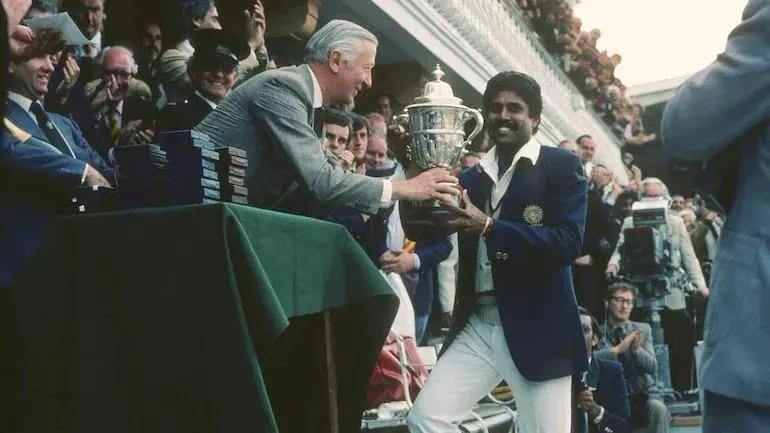
तितकी सुंदर हरणे पुन्हा दिसलीच नाहीत...1983 World Cup at Brahmputra, IIT, Madras


तितकी सुंदर हरणे पुन्हा दिसलीच नाहीत...
 
४० वर्षांपूर्वी FB असते तर त्याने मला आज आठवण करून दिलीच असती, पण त्याची गरज नाही. 
 
२५ जून १९८३ रोजी भारताने क्रिकेटचा विश्वचषक जिंकला , १९७५ च्या हॉकीच्या नंतर.
 
मी त्यावेळी आय आय टी मद्रास च्या उत्कृष्ट, स्पार्टन अशा ब्रह्मपुत्रा हॉस्टेल मध्ये रहात होतो, लवकरच शिक्षण संपणार होते आणि थोडे उशिरा आवडायला लागलेले मद्रास- नोकरी थोडक्यात तिथे न मिळाल्याने- सुटणार होते.
 
ब्रह्मपुत्रा नवीन हॉस्टेल होते, चकाचक, प्रत्येक विद्यार्थ्याला स्वतंत्र खोली होती, त्या खोलीला छोटी गॅलरी होती, गॅलरीच्या खाली हरणे जमा होत, मी सर्वात वरच्या तिसऱ्या मजल्यावर होतो...
 
प्रशस्त कॉमन रूम मध्ये नवीन रंगीत TV होता, आणि त्या टीव्ही वर आम्हाला विश्वचषक बघता आला.... भारतात १९८२ साली (त्या वर्षाच्या भारतातील ASIAD मुळे) रंगीत टीव्ही आला होता आणि फार कमी लोकांकडे तो होता...
 
शेवटच्या काही ओव्हर मी पाहू शकलं नाही कारण मी इतका अस्वस्थ झालो होतो, मी वर माझ्या खोलीच्या बाहेर, ज्याच्या खालीच ग्राउंड फ्लोवर वर कॉमन रूम होती, तिथे उभा राहून मॅच जिंकल्याचे ऐकले आणि सगळीकडे, अलीकड सारखा नाही, पण भरपूर जल्लोष झाला. आणि मी परत कॉमन रूम मध्ये गेलो. 
 
त्यावेळी मला ODI क्रिकेट प्रचंड आवडत होते, आता कित्येक वर्षे ते आवडत नाहीये.
 
सुनील गावसकर यांच्या १९७१ च्या भारताच्या टीम मधील पदार्पणाने भारतीय क्रिकेट मध्ये एक प्रचंड आत्मविश्वास आला होता आणि कपिल देव यांच्या मुळे त्यात आणखी वाढ झाली होती.
 
तेच यश आपल्याला एक देश म्हणून विविध क्षेत्रात मिळायला अजून काही वर्षे जायची होती.
 
२५ जून १९८३ ची ती ब्रह्पुत्रातील संध्याकाळ अशी कायमची मनात घर करून आहे...


Saturday, June 24, 2023

That's How It Starts, With The Sniffles


Jeffrey A Lockwood:

“...In late June 1812, the Grande Armée amassed for the invasion.  Realizing that 450,000 men would require a tremendous amount of food, Napoleon hoped to stretch his army’s supplies by prohibiting the soldiers from touching their rations while crossing Poland. Until they reached Russia, his troops would have to live off the land—and steal from the peasants. The troops met with no resistance from the villagers, who were woefully impoverished and, most important, terribly infested. Upon reaching the Niemen River marking the Polish-Russian border, the marauding soldiers found that they had not only acquired the peasants’ stores but their annoying vermin as well. And compared to the devastation soon to be wrought by these six-legged time bombs, the Grande Armée’s plundering of Poland would look like a diplomatic mission of mercy. While spending two weeks in Vilna to rest and recover, Napoleon’s men began to develop raging fevers and rashes on their chests and backs. Over the next few days, the debilitating fever persisted and the rash spread to cover a victim’s body. After another week of severe headaches and muscle pains, a sick soldier was spared this torment by periods of stupor and delirium. But these respites meant that a patient’s heart and brain were swelling with fluids, and death would come soon...”
(“Six-legged Soldiers”, 2010)

Napoleon's retreat from Moscow, 1812
Artist: Adolph Northen (1828–1876)
courtesy:  Wikimedia Commons
Artist: Frank Cotham, The New Yorker, December 2015
 

Wednesday, June 21, 2023

Sadanand Rege@100...Be Bright/ Vanish Dark, Alright

Today June 21 2023 is 100th birth anniversary of Sadanand Rege (सदानंद रेगे)
 
 १९४१ साली रेगे यांनी प्र. श्री. नेरुरकर यांना उद्देशून खालील इंग्लिश ओळी लिहल्या, कशा धारदार आहेत ते पहा ... 
 
'Be Bright / Vanish Dark' हे मला सगळ्यात जास्त आवडले, रेगे तसे जगले आणि नाहीसे झाले...


Sunday, June 18, 2023

१९५०साली मराठीत कार्टून्स वाईट किती असावीत!...आणि का असावीत?...Bad Cartoons...Why?


मला मराठीतील फार कमी कार्टूनिस्ट आवडतात ...वसंत सरवटे, (माझा भाऊ) अभिमन्यु कुलकर्णी, शि द फडणीस, श्याम जोशी, गवाणकर , ('आवाज' वाले) चंद्रशेखर पत्की, काही प्रमाणात बाळ ठाकरे, आणखी एखादे नाव जे मी विसरत असेन.

मराठी मासिकातून इतर लेखन जरी बर असल तरी कार्टून सुमार असतात.

त्याचे एक उदाहरण २०१७साली समोर आले: वाङ्मय शोभा मासिकाचा सप्टेंबर १९५०च्या अंकातील व्यंगचित्रे पहा:

 
ह्या दोन व्यंगचित्रांच्या खाली सही : चिं वि जोशी वाटतीय, आणि जर ते चिमणराव कर्ते चिं वि जोशी असतील, तर प्रश्न पडतो की त्या महान लेखकाने हा प्रयत्न का केला असावा ?


हे कार्टून तर समजलच नाही. बायकोच्या स्वैपाकाच्या दर्जावर आहे. पहिली ओळ ठीक. पण दुसरी ओळ पूर्णपणे फसली आहे. 

पंच १८४१साली ब्रिटन मध्ये सुरु झाले होते, १९२५साली दि न्यू यॉर्कर चा जन्म झाला होता. कितीतरी आदान प्रदान भारत, इंग्लंड, अमेरिका या देशात चालू होत. १९५० पर्यंत श्रीपाद कृष्ण कोल्हटकर आणि चिं वि जोशींनी उच्च दर्जाचे विनोदी लेखन मोठ्या प्रमाणात केले होते.  

 तरी व्यंगचित्र इतकी वाईट- कॅपशन्स वाईट, रेखाटन वाईट-  का: ...? 


Thursday, June 15, 2023

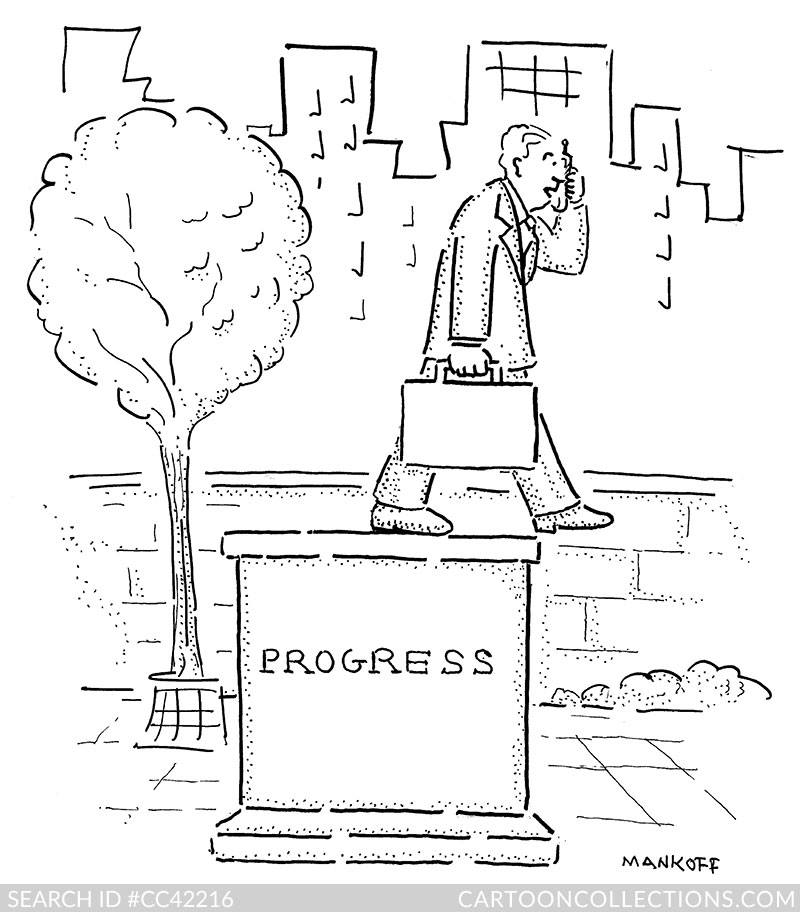
Stepping Off the Progress Pedestal


John Gray:

“Today liberal humanism has the pervasive power that was once possessed by revealed religion. Humanists like to think they have a rational view of the world; but their core belief in progress is a superstition, further from the truth about the human animal than any of the world’s religions.

Outside of science, progress is simply a myth.”

Karl Kraus:

“Progress celebrates Pyrrhic victories over nature.”

Jill Lepore:

“The idea of progress—the notion that human history is the history of human betterment—dominated the world view of the West between the Enlightenment and the First World War. It had critics from the start, and, in the last century, even people who cherish the idea of progress, and point to improvements like the eradication of contagious diseases and the education of girls, have been hard-pressed to hold on to it while reckoning with two World Wars, the Holocaust and Hiroshima, genocide and global warming. Replacing “progress” with “innovation” skirts the question of whether a novelty is an improvement: the world may not be getting better and better but our devices are getting newer and newer.”


Artist: Bob Mankoff, April 2019

Tuesday, June 13, 2023

Saturday, June 10, 2023

जेंव्हा अशोक शहाणे यांचा कीकेंगार्ड थेरपी साठी जातो... When Kierkegaard Needed Regular Exercise!

अशोक शहाणे, 'नपेक्षा', २००५:

 "कीकेंगार्डच्याच काळात लोकहितवादीनी लिखाण केले आहे, कीकेंगार्डपासून युरोपमध्ये विचारांच्या क्षेत्रात एक नवीनच वृत्ती आली. कीकेंगार्डने तर्कबुद्धीला प्रचंड धक्का देणारे लिखाण हेतुपुरःसरच केले आणि आमच्या लोकहितवादीनी मात्र सबंध विचाराचा पाया केवळ बुद्धीनेच घातला जावा अशी धडपड केली. कीकेंगार्डच्याच काळात लोकहितवादीनी लिहिले ही निदान आता तरी क्रूर थट्टाच वाटते."

(Ashok Shahane, 2005: "Lokhitwadi wrote during the times of  Kierkegaard. Kierkegaard brought a new attitude in the field of thoughts in Europe. Kierkegaard wrote what purposely gave a big jerk to logical reasoning and our Lokhitwadi struggled to build the base of entire thought by intellect alone. Lokhitwadi wrote during the times of Kierkegaard at least now looks a cruel joke.")

courtesy: Existential Comics, 2021

Thursday, June 08, 2023

Tuesday, June 06, 2023

Afraid of Comments Section!

“No way am I going down there—what if there’s a comments section?” 

Artist: Liam Walsh, The New Yorker, December 2016