मेघदूत: "नीचैर्गच्छत्युपरि दशा चक्रनेमिक्रमेण"

समर्थ शिष्या अक्का : "स्वामीच्या कृपाप्रसादे हे सर्व नश्वर आहे असे समजले. पण या नश्वरात तमाशा बहुत आहे."

G C Lichtenberg: “It is as if our languages were confounded: when we want a thought, they bring us a word; when we ask for a word, they give us a dash; and when we expect a dash, there comes a piece of bawdy.”

C. P. Cavafy: "I’d rather look at things than speak about them."

Martin Amis: “Gogol is funny, Tolstoy in his merciless clarity is funny, and Dostoyevsky, funnily enough, is very funny indeed; moreover, the final generation of Russian literature, before it was destroyed by Lenin and Stalin, remained emphatically comic — Bunin, Bely, Bulgakov, Zamyatin. The novel is comic because life is comic (until the inevitable tragedy of the fifth act);...”

सदानंद रेगे: "... पण तुकारामाची गाथा ज्या धुंदीनं आजपर्यंत वाचली जात होती ती धुंदी माझ्याकडे नाहीय. ती मला येऊच शकत नाही याचं कारण स्वभावतःच मी नास्तिक आहे."

".. त्यामुळं आपण त्या दारिद्र्याच्या अनुभवापलीकडे जाऊच शकत नाही. तुम्ही जर अलीकडची सगळी पुस्तके पाहिलीत...तर त्यांच्यामध्ये त्याच्याखेरीज दुसरं काही नाहीच आहे. म्हणजे माणसांच्या नात्यानात्यांतील जी सूक्ष्मता आहे ती क्वचित चितारलेली तुम्हाला दिसेल. कारण हा जो अनुभव आहे... आपले जे अनुभव आहेत ते ढोबळ प्रकारचे आहेत....."

Kenneth Goldsmith: "In 1969 the conceptual artist Douglas Huebler wrote, “The world is full of objects, more or less interesting; I do not wish to add any more.”1 I’ve come to embrace Huebler’s ideas, though it might be retooled as “The world is full of texts, more or less interesting; I do not wish to add any more.” It seems an appropriate response to a new condition in writing today: faced with an unprecedented amount of available text, the problem is not needing to write more of it; instead, we must learn to negotiate the vast quantity that exists. How I make my way through this thicket of information—how I manage it, how I parse it, how I organize and distribute it—is what distinguishes my writing from yours."

Tom Wolfe: "The first line of the doctors’ Hippocratic oath is ‘First, do no harm.’ And I think for the writers it would be: ‘First, entertain.’"

विलास सारंग: "… . . 1000 नंतर ज्या प्रकारची संस्कृती रुढ झाली , त्यामध्ये साधारणत्व विश्वात्मकता हे गुण प्राय: लुप्त झाले...आपली संस्कृती अकाली विश्वात्मक साधारणतेला मुकली आहे."

Friday, March 22, 2024

गंगाराम यांचे राजेंद्र केशकर्तनालय आणि ओके हेअर ड्रेसिंग सलून...Our Encounters With Haircutting at Miraj

 सप्टेंबर २०२३, माझा मित्र सतीश कुलकर्णी याने मला मिरजेतील एक फोटो पाठवला. तो सोबत लावला आहे. 

मिरजेच्या एकेकाळच्या मध्यभागी असलेल्या किसान चौकातील एका स्टेज चे पाडणे त्यात सुरु आहे असे वाटते. त्या स्टेजवरून झालेली कित्येक भाषणे आम्ही ऐकली आहेत. मला असे वाटते की बहुदा इंदिरा गांधी सुद्धा तिथे काही काळासाठी आल्या होत्या. 

मोठे करून चित्र पहाल तर तुम्हाला तिथे "ओके हेअर ड्रेसिंग सलून" ही पाटी सुद्धा दिसेल... ते दुकान आमच्या डोळ्यादेखत १९७०च्या उत्तरभागात सुरु झाले आहे. 

त्याबद्दल आणखी थोडी माहिती सांगण्या आधी ह्या ब्लॉगवर पूर्वी दिलेली आमच्या केस कापण्याची कहाणी थोडक्यात पुनः सांगतो.

Until I turned nine or ten, Gangaram Gaikwad would visit our home to give us a crew cut. Later it was our turn to visit him once a month. Gangaram was a dapper looking young man who looked less of a barber and more of a photographer or a tailor. 

Gangaram’s shop, run jointly with his grim looking elder brother, used to be always crowded and, even if it wasn’t, elders always jumped the queue to push us back. I remember some times it used to take hours to get the job done.

But all along Gangaram never stopped smiling, Radio Ceylon hummed and local gossip sizzled. I remember the late Vasant Pawar’s (one of the most talented music director of Marathi film industry who died young) daughter often used to come to the place to chat up with Gaikwad brothers and even play cards occasionally.

For our monthly visit, we were incentivized with a rupee or two to buy peanuts for our return journey but I guess the real incentive was spending time at Gangaram’s shop, listening to adult gossip!

पण गंगाराम यांचे दुकान (राजेंद्र केशकर्तनालय) जुने होते, खूप लहान होते, खुर्च्या लाकडी, सरळ पाठीच्या होत्या... 

माझ्या धाकट्या भावाला  त्याचा कंटाळा आला आणि त्याने 'क्रांतीकारक' पाऊल उचलत, ओके मध्ये जायचे ठरवले. त्याला तिथे गंगाराम मारत होता तो जुना कट टाळून अमिताभ बच्चन करत होते तो कानावरून केस येणारा , 'डिप्लोमा' कट मारून घ्यायचा होता. 

ओके त्यावेळी नुकतेच सुरु झाले होते... प्रशस्त, पॉश , फ्लुरोसंट ट्यूब, मोठे आरसे आणि, अलीकडे सगळ्या सलून मध्ये असणाऱ्या, फोमच्या फिरत्या खुर्च्या तिथे होत्या... पैसे ही जास्त होते... त्याचे मालक अक्कडबाज मिशा असलेले गृहस्थ होते जे बहुतेक सांगत असत की ते मुंबईत व्यवसाय करून मिरजेत परत आले आहेत.... 

 मी तिथे काही महिने गेलो आणि पुन्हा गंगाराम कडे परतलो, माझा भाऊ ओके मध्येच जात राहिला... 

 ह्याच विषयावर  ओरहान पामुक यांच्या “Other Colours: Essays and a Story”, १९९९ ह्या पुस्तकातील एक उतारा वाचा

  “…When I was a boy waiting my turn at the barber shop, flicking through the pages of Vulture, stopping now and again to study locally drawn caricatures of citizens aghast at the prices of things, enjoying jokes about bosses and their secretaries, stories by the popular humorist Aziz Nesin, and cartoons lifted from western magazines, my ears were always alert to the conversations around me. Of course the topic discussed at the greatest length was football and the football pools. Some, like Toto, the head barber, would, as he moved among the three customers in the three chairs, offer up his thoughts on boxing or the horses, which he played from time to time. His barber shop, which bore the fanciful name Venus, was at the end of the passageway across the street from our house in Nisantasi. Toto was a tired and sulky man with white hair, and the other of the two older owners was irritable and bald, while the third owner was in his 40s and sported a thin Douglas Fairbanks moustache. I remember he was less interested in chatting with his customers about high prices, new shops in the neighbourhood, singers and stars of the day or domestic politics than he was in discussing international affairs and the state of the world…

… Once, after a customer had had his shave, taken off his apron, allowed the boy to comb his hair, given out his tips, and left the shop, the Fairbanks moustache-sporting owner, who had shown him such courtesy and deference only moments earlier, began to curse this man's mother and his wife: this was how I discovered that the adult world was populated by duplicitous types whose anger was deeper than anything I had known in my child's world. At the barber shops of my childhood, they used scissors, huge clippers they would angrily toss away when they didn't cut well, combs, cotton balls to keep hair out of the ears, cologne, powder and, for the grown-ups, cutthroat razors, shaving cream, shaving combs and white aprons. Today, apart from a handful of electric appliances - like the hair dryer - the tools have not changed much, and this must remind us that though Istanbul writers have never recorded their traditions, these barbers (who have been using these tools for centuries, gossiping as they work) must have been speaking in the same way for just as long…

Barbers also performed circumcisions and other small surgical procedures, some in their coffee houses and others in separate establishments: this gave them a central importance in Istanbul society..

That was when I understood that a barber who shaves you in silence, without drawing a word from your mouth or sharing any neighbourhood or political gossip, and cursing no one, is not a barber at all.“


 किसान चौक, मिरज , सप्टेंबर २०२३

Wednesday, March 20, 2024

बा सी मर्ढेकरांना जाऊन ६८ वर्षें झाली...I Remember Mardhekar's Poetry First

 आज बा सी मर्ढेकरांना जाऊन ६८ वर्षें झाली. माझ्या बाबतीतमर्ढेकरांचे वैशिष्ट्य म्हणजे कोणत्याही परिस्थितीत मला  कवी म्हणून पहिले ते आठवतात. 

आम्ही डिसेंबर २०२३ मध्ये कोल्हापूर जवळच्या सिद्धगिरी ग्रामजीवन म्युझियम (कणेरी मठ) मध्ये गेलो होतो. तिथले सोबतचे दृश्य पाहून मर्ढेकर आठवले. 


"अजून येतो वास फुलांना

अजून माती लाल चमकते;

खुरट्या बुंध्यावरी चढून 

अजून बकरी पाला खाते.'

..."

(३२, पृष्ठ १०२, मर्ढेकरांची कविता, १९५९-१९७७)


Monday, March 18, 2024

The Thief of Bagdad@100...Brilliance of Douglas Fairbanks


Floats like a butterfly . . . Fairbanks did the vast majority of his stunts himself.

Fairbanks was such a smart guy, read what he thought about creating sets for the movie:

"A special problem that faced us for The Thief of Bagdad was my desire that a dream city should not look too well anchored on its foundations. It is easy enough to make a thing fantastic and unreal, but I wanted it to seem light in addition. By using a somewhat weird design, by painting trees and branches black even when we had real ones, by the use of light backgrounds instead of the customary dark ones which are thought to bring out the figures more clearly, by confining our colors to gray, gold, silver, black and white for everything except the actual costumes, we obtained an unusual effect; but sets built on the ground will look as if they were.

To get away from this solidity, we painted our buildings darker at the top than at bottom. This seemed to make them less solid and heavy at the bottom. We also built upon a highly polished black floor that had reflections. The vertical line of a house meets the horizontal line of the ground and ends there. Our polished floor reflects the building lines and lifts our city. And this black floor caused considerable extra work. There was endless brushing and polishing week after week."

मी हा १९२४ सालचा जबरदस्त  सिनेमा अजून बघितला नाहीये पण मला हे नाव माहित व्हायचे कारण आम्ही मिरजेत देवल टॉकीज ला बघितलेला १९६९ सालचा दारा सिंग यांचा त्याच नावाचा सिनेमा जो मला अजून थोडा थोडा आठवतो..... 


Wednesday, March 13, 2024

G. A. Kulkarni, Henry van Dyke...जी. ए. कुलकर्णी आणि हेन्री व्हॅन डाईक


हे पूर्वी इथे दिले असेल.. पण काहीजणांना कदाचित नव्याने...

जीएंनी 'पिंगळावेळ' मधील यात्रिक ही जबरदस्त अशी रूपक कथा लिहण्या आधी, त्याच नावाची अनुवादीत कथा वाङ्मयशोभाच्या ऑक्टोबर १९६०च्या अंकात प्रसिद्ध केली होती... 
 
मूळ लघुकादंबरी हेन्री व्हॅन डाईक (१८५२-१९३३) यांची आहे, तिचे मूळचे नाव आहे 'The Story of the Other Wise Man', 1895. 
 
जीएंच्या कथेसोबत हेन्री व्हॅन डाईक यांचे नाव प्रसिद्ध करण्यात आले नव्हते आणि त्यांच्या प्रति कृतज्ञता सुद्धा व्यक्त करण्यात आली नव्हती. 
 
पुरषोत्तम धाक्रस 'आकाशफुले : जी. ए. कुलकर्णी', तिसरी आवृत्ती ', २०१० ह्या पुस्तकाच्या "'सिंहा' वलोकन" मध्ये लिहतात:
"...'यात्रिक'.... हे केवळ अनुवाद आहेत एवढेच कळते. मूळ कथा कोणाच्या वगैरे काहीच आढळत नाही..."
 
त्या कथेच्या पहिल्या पानाचा फोटो सोबत. कृतज्ञता: वाङ्मयशोभा आणि जी ए कुलकर्णी यांच्या वाङ्मयाचे कॉपीराईट होल्डर्स


Sunday, March 10, 2024

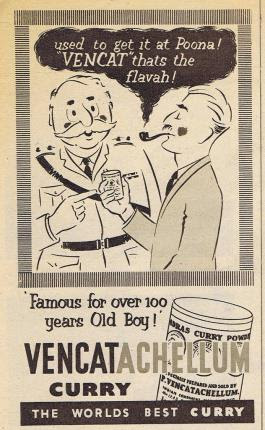
Used to get it at Poona! VENCAT thats the flavah!...a Dalit Family Once Ruled the Global Condiment Industry

 On Feb 29 2024, I saw a tweet of William Dalrymple on the subject of curry. 

It had following picture, an ad c1955.


I started wondering what Vencat was. After some googling, I found this article dated August 2023 in The Hindu written byA.B. RAJASEKARAN. . 

Vencat is "Vencatachellum Madras Curry Powder", "the preferred brand of spice at Buckingham Palace over a century ago."

"Long before Indian companies ventured out to foreign shores, one Indian brand was already truly a global brand. It ruled the global curry powder and pickles industry for close to 100 years. The brand, Vencatachellum Madras Curry Powder, is owned by a company founded by an Adi Dravidar, a scheduled caste, from Madras.

The brand name was synonymous with Madras Curry Powder the world over and continues to be fondly remembered in many countries including the UK and Australia long after its heyday."

"P. Vencatachellum Condiments registered their name, ‘Vencatachellum Madras Curry Powder’ along with distinctive label with peacock as a trademark in the UK and Australia in 1894. P. Venkatachellum’s products were made from the finest ingredients sourced from India and abroad using proprietary recipes. Curry powder was made of red chilies from Odisha, turmeric from Chittagong, coriander from Kerala, and couple of secret ingredients."

"It is an incredible feat that such a large global company was built by a Dalit family in the 19th Century. This is an example of the entrepreneurial spirit of Dalits. The fact that the trademark Vencatachellum is still recalled around the world speaks volumes about the goodwill the company created."

Thursday, March 07, 2024

श्रावण शुक्रवारची कहाणी...The Folktale That Thrives


माझ्या लहानपणी मी "संपूर्ण चातुर्मास" ह्या मराठीतील एका सर्वाधिक खपाच्या पुस्तकातील कहाण्या वारंवार वाचत असे, कारण मला सतत वाचायला काहीतरी लागत असे. 
 
त्या काळात त्या सर्व मला पाठ होत्या. आजही सर्व लक्षात आहे. मराठीचा तो एक मोठा सांस्कृतिक ठेवा आहे. त्या किती प्राचीन आहेत याची मला , भोंडल्याच्या गाण्यांसारखीच कल्पना नाही. 
 
त्यातील माझी सर्वात आवडती कहाणी होती/ आहे "शुक्रवारची कहाणी". ती कहाणी मला इतकी आवडत असे की मी तिचा उस्फुर्तपणे वाक्प्रचार म्हणून किंवा दाखला द्यायला वापरत करत असे. 
 
मला माहित नव्हते की जसा भारतात काळ जाईल, तसे ती कहाणी भारताच्या मध्यमवर्गीयांचे रूपक म्हणून सर्वात जास्त लागू ठरेल. सध्या माझ्या सर्वत्र "श्रावण शुक्रवारची कहाणी" सुरु असते. पैसा आणि रूप हे बहुतेक मराठी मध्यमवर्गीय समाजाचे दोनच यशाचे आणि सुखाचे मानदंड होऊन बसले आहेत.
 
त्या कहाणीचा छोटा भाग वाचा:
 
"... इतक्यांत जेवायचीं पानं वाढलीं. ताईचं पान आपल्या शेजारीं मांडलं. भाऊ जेवायला बसला. ताईनं आपली शालजोडी काढून बसल्यापाटीं ठेवली. भाऊ पाहूं लागला. मनांत कल्पना केली, शालजोडीनं उकडत असेल म्हणून काढीत असेल. नंतर ताई आपले दागिने काढू लागली. बसल्यापाटीं ठेवूं लागली. भावानं विचार केला, जड झाले, म्हणून काढीत असेल, नंतर ताईनं भात कालवला, मोठासा घांस केला, तो उचलून सरीवर ठेवला, भाजी उचलून ठुशीवर ठेवली. लाडू उचलून चिंचपेटीवर ठेवला. जिलबी उचलून मोत्यांच्या पेंद्यावर ठेवली.
 
भावानं विचारलं, “ताई ताई, हें काय करतेस?” ती म्हणाली, “दादा, मी करतें हेंच बरोबर आहे. जिला तूं जेवायला बोलावलंस तिला भरवतें आहे.” भाऊ कांहीं हें समजेना. त्यानं तिला पुन्हां सांगितलं, “अग ताई, तूं आतां जेवू तरी.” तिनं सांगितलं, “बाबा, हें माझे जेवण नाहीं, हें या लक्ष्मीचं जेवण आहे...."
 
रावबहादुर माधव विश्वनाथ धुरंधर ( १८ मार्च १८६७ - १ जून १९४४ ) यांनी ती कहाणी चित्रबद्ध (सोबतचे चित्र) केली होती, C. A. Kincaid यांच्या 'Deccan Nursery Tales; or, Fairy Tales from the South' १९१४ साली प्रसिद्ध झालेल्या पुस्तकासाठी.


Monday, March 04, 2024

बन बांबूंचें पिवळ्या गातें, आकाशांतिल बिनाकागीतमाला;...Unparalleled Success Called Binaca Geetmala

माझ्या लहानपणी लांब कोळीष्टकासारखी दिसणारी एरियल रेडिओ साठी घरात लावली जात असे, तत्पूर्वी काही वर्षे रेडिओ साठी घराच्या बाहेर पिवळ्या, बांबू पासून बनवलेल्या एरियल  लावल्या जात असत... म्हणून मर्ढेकर म्हणतात बन बांबूंचें पिवळ्या गातें...

बा सी मर्ढेकर: 

"बन बांबूंचें पिवळ्या गातें 

आकाशांतिल अधोरेखितें;

..." (२, पृष्ठ ७४, मर्ढेकरांची कविता, १९५९-१९७७)

मी:

"बन बांबूंचें पिवळ्या गातें 

आकाशांतिल गीतमाला;

..."

फेब्रुवारी २० २०२४ रोजी अमीन सयानी वारले आणि माझ्या मिरज येथील लहानपणाच्या अनेक गोष्टी समोर आल्या.... 
 
बिनाका गीतमाला (१९५२-१९८८) काय गगनचुंबी प्रकार होता हे आज बऱ्याच लोकांना समजणार नाही...आम्ही मिरजेला रहात असताना, जवळजवळ १९८५ साल पर्यंत, तो दर बुधवारी रात्री 8 ते 9 मध्ये होणारा रेडिओ सिलोन वरील कार्यक्रम, आयुष्याचा अविभाज्य भाग होता...
 
बहुतेक प्रत्येक घरात-दारात तो कार्यक्रम चालू असल्यामुळे, त्याचा एक प्रतिध्वनी तयार होऊन सबंध अंतराळात त्याचा आवाज घुमत असे (म्हणून गगनचुंबी)....दूरदर्शन वरती नंतर अनेक लोकप्रिय कार्यक्रम झाले पण बिनकाची लोकप्रियता (भारतातील किती टक्के लोक तो ऐकत असत ह्या आधारावर) त्यांनी कदाचित गाठली नसावी...
 
बिनाका हे हिरव्या रंगाच्या, किंचित महाग टूथपेस्ट चे नाव होते...गाण्याच्या मधून येणाऱ्या बिनाका च्या जाहिराती (जिंगल्स) मला खूप आवडतं असत....एक होती "हे-हे- बिनाका ग्रीन, बिनाका ग्रीन... हे-हे- बिनाका ग्रीन, बिनाका ग्रीन"...त्याच्या आठवणीने सुद्धा बरे वाटते...बिनाका महाग असल्यामुळे आम्ही ती क्वचितच विकत आणली, आम्ही कोलगेट टूथपेस्ट आणि टूथ पावडर वापरत असू..
 
माझी तत्कालीन हिंदी गाण्यांची आवड १९७७ नंतर कमी होऊ लागली पण धाकटा भाऊ आणि बहीण मात्र जेवणाचे ताट घेऊन आमच्या माडीवर जाऊन तिथे ठेवलेल्या आमच्या रेडिओ पाय (ब्रँडचे नाव) वर तो कार्यक्रम लक्ष देवून ऐकत असत....
 
अमीन सयानी अतिशय उत्तम समालोचक होते पण कधी कधी जरा ते जास्तच भाऊक होऊन नाटकी बोलत असतं...त्यांच्या काळात काही वादग्रस्त गोष्टी सुद्धा झालेल्या आहेत... त्यांच्यावर आरोप झाले होते की काही संगीतकारांना आणि त्यांच्या गाण्यांना प्रमोट करत असत... इसाक मुजावर या माझ्या आवडत्या लेखकाचा  लेख आठवतो... ( I wrote on Feb 27 2015 on FB after Mr. Mujawar had died: I remember his longish article in one Diwali number of 'Rasrang': 'Victims of Hammer music' (हॅमर म्यूज़िकचे बळी) where he rued how the 'old' music directors like Anil Vishwas, Roshan, Madan Mahan etc fell prey to Binaca style publicity verging on propaganda....for him, it was big time fixing....).  
 
सयानी एक पूर्णतः व्यावसायिक होते आणि राहिले, त्यांच्या मुळे हिंदी सिनेसंगीताचे भले झाले, त्याचा दर्जा वाढला असे मी म्हणणार नाही...
 
बिनाका गीतमाला हे पर्व सगळ्या पर्वांसारखे आता सर्वार्थाने संपले..
 
दीनानाथ दलालांची सोबतच्या चित्रातील नायिका सुद्धा बिनाका ऐकत आहे असे वाटते पण ते चित्र जानेवारी १९४७ चे आहे!
 
कृतज्ञता: श्री दलाल यांच्या कलाकार्याचे कॉपीराईट होल्डर्स