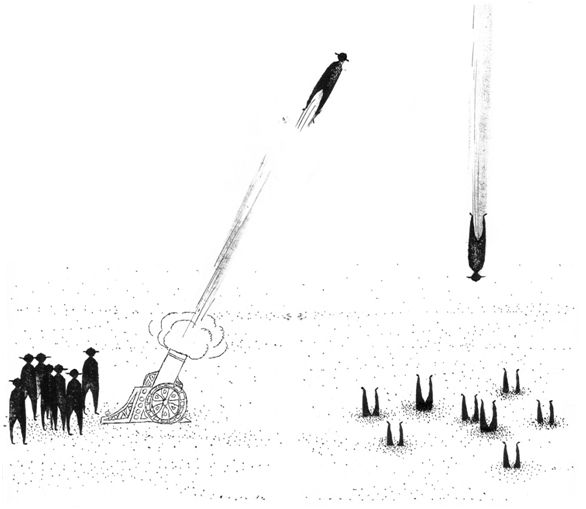
मेघदूत: "नीचैर्गच्छत्युपरि दशा चक्रनेमिक्रमेण"

समर्थ शिष्या अक्का : "स्वामीच्या कृपाप्रसादे हे सर्व नश्वर आहे असे समजले. पण या नश्वरात तमाशा बहुत आहे."

G C Lichtenberg: “It is as if our languages were confounded: when we want a thought, they bring us a word; when we ask for a word, they give us a dash; and when we expect a dash, there comes a piece of bawdy.”

C. P. Cavafy: "I’d rather look at things than speak about them."

Martin Amis: “Gogol is funny, Tolstoy in his merciless clarity is funny, and Dostoyevsky, funnily enough, is very funny indeed; moreover, the final generation of Russian literature, before it was destroyed by Lenin and Stalin, remained emphatically comic — Bunin, Bely, Bulgakov, Zamyatin. The novel is comic because life is comic (until the inevitable tragedy of the fifth act);...”

सदानंद रेगे: "... पण तुकारामाची गाथा ज्या धुंदीनं आजपर्यंत वाचली जात होती ती धुंदी माझ्याकडे नाहीय. ती मला येऊच शकत नाही याचं कारण स्वभावतःच मी नास्तिक आहे."

".. त्यामुळं आपण त्या दारिद्र्याच्या अनुभवापलीकडे जाऊच शकत नाही. तुम्ही जर अलीकडची सगळी पुस्तके पाहिलीत...तर त्यांच्यामध्ये त्याच्याखेरीज दुसरं काही नाहीच आहे. म्हणजे माणसांच्या नात्यानात्यांतील जी सूक्ष्मता आहे ती क्वचित चितारलेली तुम्हाला दिसेल. कारण हा जो अनुभव आहे... आपले जे अनुभव आहेत ते ढोबळ प्रकारचे आहेत....."

Kenneth Goldsmith: "In 1969 the conceptual artist Douglas Huebler wrote, “The world is full of objects, more or less interesting; I do not wish to add any more.”1 I’ve come to embrace Huebler’s ideas, though it might be retooled as “The world is full of texts, more or less interesting; I do not wish to add any more.” It seems an appropriate response to a new condition in writing today: faced with an unprecedented amount of available text, the problem is not needing to write more of it; instead, we must learn to negotiate the vast quantity that exists. How I make my way through this thicket of information—how I manage it, how I parse it, how I organize and distribute it—is what distinguishes my writing from yours."

Tom Wolfe: "The first line of the doctors’ Hippocratic oath is ‘First, do no harm.’ And I think for the writers it would be: ‘First, entertain.’"

विलास सारंग: "… . . 1000 नंतर ज्या प्रकारची संस्कृती रुढ झाली , त्यामध्ये साधारणत्व विश्वात्मकता हे गुण प्राय: लुप्त झाले...आपली संस्कृती अकाली विश्वात्मक साधारणतेला मुकली आहे."

Saturday, October 26, 2019

Monet or Manet?

Monet or Manet?

“I’m Monet. Who the hell is Manet?”  

Artist: Jason Adam Katzenstein, The New Yorker, September 2016

p,s.

On the wall: Grainstacks in the Sunlight, Morning Effect, 1890-91 by Claude Monet

Monday, October 21, 2019

शिशिरागम... Sempe's Autumn Sonata

बा सी मर्ढेकर:
"शिशिरर्तुच्या पुनरागमें,
एकेक पण गळावया
कां लागतां मज येतसे
न कळे उगाच रडावया.
..."
('शिशिरागम', पृष्ठ २०, 'मर्ढेकरांची कविता', १९५९/ १९७७)


कलाकार :  Jean-Jacques Sempe, द न्यू यॉर्कर, ऑक्टोबर २०,१९८०

सेंपे ह्या वसंत सरवटे यांच्या आवडत्या कलाकाराच्या मुखपृष्ठाकडे पहा.

कदाचित दुपारी घराच्या अंगणात टी पार्टी चालू असावी, त्या स्त्रिया थंडीची वस्त्रे विणत असाव्यात (उजवीकडचे टेबल पहा). ते सगळे बाजूला ठेऊन आता मेहफिल रंगली आहे. घरातील एक छोटी मुलगी पण त्यात शामील झाली आहे. फॉलची, मर्ढेकरांना रडवणारी, पाने पडत आहेत. मी म्हणेन Autumn Sonata सुरु आहे....

Friday, October 18, 2019

विंदांचे राहून गेलेले बर्गसॉंदर्शन - नारी दर्शन ....Bergson, Women and Vinda

#HenriBergson160

दुर्गा भागवत:
"... ' जे प्रमाणाच्या मापात, नसे बाबा सापडत; 
त्यात आणि आकाशपुष्पात , भेद काय?,'

हा तुम्ही अज्ञानवाद्यांना विचारलेला प्रश्न तुमच्याच अंगावर उलटवता येईल. अज्ञानाला एक न्याय आणि ब्रह्माला दुसरा , असे कसे? पण शेवटी असल्या डावपेचांनी अर्थ तो किती! म्हणून मी तक्रार करत नाही , ही अस्पष्टता व संदिग्धता निखळ तत्वज्ञानाला अपायकारक असली तरी तत्वकाव्याला उपकारकच ठरली आहे..."

 (पृष्ठ १६०, 'अमृतानुभवाच्या अनुवादाच्या निमित्ताने', 'भावसंचित', मे २०१५... 'संत ज्ञानेश्वरांचा ।।अमृतानभव।।: ज्ञानदेवरचित अनुभवामृताचे विंदाकृत अर्वाचीनीकरण', १९८१/२००८)

विंदा करंदीकरांच्या "अष्टदर्शने" मधील सातवे दर्शन आहे बर्गसॉंदर्शन (पृष्ठ ६५-७३), आवृत्ती २००३.

त्यात दोन महत्वाच्या उणीवा मला जाणवत आल्या आहेत...खालील गोष्टींचा उल्लेख विंदा करत नाहीत:

१. बर्गसॉं यांची २०व्या शतकाच्या सुरवातीची सेलेब्रिटी लोकप्रियता 
२. विशेषतः स्त्रियांमधील त्यांची लोकप्रियता आणि त्यामुळे त्यांच्या विरोधात आलेली लाट

त्याची पुन्हा एकदा जाणीव मे २०१९ मध्ये एमिली हेरिंग यांचा हा लेख वाचून झाली.

"Women loved Bergson’s philosophy of creativity, change and freedom, but their enthusiasm fuelled a backlash against him... 

...The presence of women in a traditionally exclusively masculine space was regarded at best as a source of ridicule, at worst as a nuisance (for instance, some worried that, by their mere presence, the Bergsoniennes were robbing male philosophy students of their rightfully earned seats). Others took this phenomenon to be the sign of something more serious. The fact that so many women were drawn to Bergson’s philosophy perhaps said something about Bergson as a thinker. Indeed, traits traditionally associated with femininity, such as irrationality and sentimentality, clashed with the traditionally masculine qualities deemed necessary to be a good philosopher. Some of Bergson’s most serious adversaries began arguing that Bergson’s success among women was no accident. They believed that the reason the most irrational beings of all, women, were so enthusiastic about Bergson’s ideas was that Bergson’s philosophy was a philosophy of the irrational....

....Bergson’s philosophy, they said, lacked clarity, and should be combatted, because it was grounded in an unreliable and obscure mysticism that was ‘feminine’ in nature...."

विंदा म्हणतात :
".... 
बुद्ध आणि ख्रिस्त । बुद्धीला टाळून 
सन्मार्ग नवीन । दाखविती . 
मानवाविषयी । प्रेम व करुणा 
यांचीच प्रेरणा । होती त्यांना 
..."
 हे खरे आहे , पण बुद्ध आणि ख्रिस्त यांच्या बरोबरीने प्रेम व करुणा यांच्या संबंधात विंदांना स्त्री आठवत नाही?  प्रेम व करुणा म्हटल्यावर पहिल्यांदा मला माझी आई आठवते... आणि नंतर बुद्धी लावल्यावर आठवतात बुद्ध आणि ख्रिस्त!

Bergson and Einstein

Wednesday, October 16, 2019

Quality Control Or Spectacular Apologies

Quality Control Or Spectacular Apologies

“With the money we’ll save by shutting down quality control, we can issue some truly spectacular apologies.” 

Artist: Robert Leighton, The New Yorker, October 2016

Sunday, October 13, 2019

चंद्राचे प्रेमगीत....Kojagiri Purnima

आज अश्विन कोजागरी पौर्णिमा शके १९४१


Artist : Not Known to Me

Thursday, October 10, 2019

बक्षीचा पक्षी केला...Painless to the Criminal and Terrible to the Beholder?

म. वा. धोंड:
"...  (दौलतराव शिंदे (१७७९-१८२७) यांनी) सेनापती नारायणराव बक्षी याच्या दोन्ही अंगास बाण बांधून बत्ती दिली आणि त्यास आकाशात उंच उडवून ठार केले, का?  तर "बक्षीचा पक्षी केला" असा प्रास साधण्याकरिता !..." 
(पृष्ठ ३३, मर्‍हाटी लावणी, १९५६/२००३)

 
Mountstuart Elphinstone (1779–1859):
“Elphinstone did not hesitate to order the (Brahmin) ringleaders (of a plot to murder all the Europeans in Pune) to be blown from guns, observing that this method of execution ‘contains two valuable elements of capital punishment; it is painless to the criminal and terrible to the beholder’.”
(Philip Mason. “Men Who Ruled India”, 1953)


Artist: Gerhard Richter (1932-)  from 'Comic Strip', 1962

Amazon.com says:
"Reproducing a recently found 1962 notebook, this small, beautifully clothbound volume reveals a never-before-seen dimension of Gerhard Richter's art. Comic Strip 1962 contains a series of cartoon-like drawings, done in the style of American greats such as Saul Steinberg (hence the artist's cartoonist-style abbreviation of his name to "Gerd" here). The black-and-white drawings generally feature one or many hatted silhouette figures, floating in the air, against bare backdrops or atop planets, with occasional handwritten text (in German, and mostly illegible) interspersed around them."

Monday, October 07, 2019

मराठीत असा संग्रह केंव्हा निर्माण होईल....Stories Inspired by the Paintings of Edward Hopper


In Sunlight or in Shadow: Stories Inspired by the Paintings of Edward Hopper,” edited by Lawrence Block (Pegasus): 

If a picture is worth a thousand words, any of Edward Hopper’s paintings of American loneliness is worth an entire short story. Here 17 contemporary authors imagine the Depression-era backgrounds to various Hopper masterpieces. Consider the matchups: Michael Connelly with that apotheosis of the urban diner, “Nighthawks,” Lee Child with the bleak “Hotel Lobby,” Joyce Carol Oates and the naked woman at the window of “Eleven A.M.,” Stephen King and the alienated couple of “Room in New York,” and Megan Abbott with “The Girlie Show.” Ekphrasis — seeing a story in a picture — was seldom so much fun. 


Saturday, October 05, 2019

Theism of (Real) Dinosaurs

Theism of (Real) Dinosaurs


“We tell no one.” 


Artist: Benjamin Schwartz, The New Yorker, December 2016

Wednesday, October 02, 2019

Gandhi, Jinnah and a Nervous Foot Rash

Today October 2 2019 is 150th birth anniversary of Mahatma Gandhi

कै श्री म माटे , वाङ्मय  शोभा, सप्टेंबर १९४४

Jad Adams:
"...While Wavell thought both leaders were ‘obstinate, intransigent, crafty old men,’ he at least felt they could achieve something. But his conclusion was: ‘The two great mountains have met and not even a mouse has emerged.’ Wavell analysed the differences between them: Jinnah wanted Pakistan first and independence afterwards, ‘while Gandhi wants independence first with some kind of self-determination for Muslims to be granted by a provisional government which would be predominantly Hindu.’ Jinnah simply did not believe that a Hindu-majority government would grant any significant level of Muslim self-determination. He was betting on getting Pakistan from the British before they left.

They were unable to continue their meetings, which had anyway become less than cordial, in January 1945 because both were ill, Jinnah with pleurisy. If Gandhi was often distinguished by putting this whole body into the national struggle, Jinnah was no less so: he maintained a glassy outward persona while his body was racked with disease; every public appearance took an effort of will.

Jinnah unwound enough to mention to Gandhi that he was troubled by a nervous rash on one foot. Gandhi knelt on the floor and insisted he remove Jinnah’s shoes and socks, then held the affected part, saying: ‘I know what will heal you. I will send it tomorrow morning.’ He sent a box of healing earth, which Jinnah accepted with his usual good manners, declaring he had already seen improvement, but in fact he made no more use of that than of anything else Gandhi had to offer...."
('Gandhi: The True Man Behind Modern India',  2011)

I came across the following well known picture dated 1939, capturing a moment as Gandhi was leaving Jinnah's house.

Instead if we were to imagine it dated 1944- 1945, considering what Mr. Mate and Mr. Adams are saying in the quotes above....


"Jinnahji, my brother: don't be shy, let me check your rash...."