मेघदूत: "नीचैर्गच्छत्युपरि दशा चक्रनेमिक्रमेण"

समर्थ शिष्या अक्का : "स्वामीच्या कृपाप्रसादे हे सर्व नश्वर आहे असे समजले. पण या नश्वरात तमाशा बहुत आहे."

G C Lichtenberg: “It is as if our languages were confounded: when we want a thought, they bring us a word; when we ask for a word, they give us a dash; and when we expect a dash, there comes a piece of bawdy.”

C. P. Cavafy: "I’d rather look at things than speak about them."

Martin Amis: “Gogol is funny, Tolstoy in his merciless clarity is funny, and Dostoyevsky, funnily enough, is very funny indeed; moreover, the final generation of Russian literature, before it was destroyed by Lenin and Stalin, remained emphatically comic — Bunin, Bely, Bulgakov, Zamyatin. The novel is comic because life is comic (until the inevitable tragedy of the fifth act);...”

सदानंद रेगे: "... पण तुकारामाची गाथा ज्या धुंदीनं आजपर्यंत वाचली जात होती ती धुंदी माझ्याकडे नाहीय. ती मला येऊच शकत नाही याचं कारण स्वभावतःच मी नास्तिक आहे."

".. त्यामुळं आपण त्या दारिद्र्याच्या अनुभवापलीकडे जाऊच शकत नाही. तुम्ही जर अलीकडची सगळी पुस्तके पाहिलीत...तर त्यांच्यामध्ये त्याच्याखेरीज दुसरं काही नाहीच आहे. म्हणजे माणसांच्या नात्यानात्यांतील जी सूक्ष्मता आहे ती क्वचित चितारलेली तुम्हाला दिसेल. कारण हा जो अनुभव आहे... आपले जे अनुभव आहेत ते ढोबळ प्रकारचे आहेत....."

Kenneth Goldsmith: "In 1969 the conceptual artist Douglas Huebler wrote, “The world is full of objects, more or less interesting; I do not wish to add any more.”1 I’ve come to embrace Huebler’s ideas, though it might be retooled as “The world is full of texts, more or less interesting; I do not wish to add any more.” It seems an appropriate response to a new condition in writing today: faced with an unprecedented amount of available text, the problem is not needing to write more of it; instead, we must learn to negotiate the vast quantity that exists. How I make my way through this thicket of information—how I manage it, how I parse it, how I organize and distribute it—is what distinguishes my writing from yours."

Tom Wolfe: "The first line of the doctors’ Hippocratic oath is ‘First, do no harm.’ And I think for the writers it would be: ‘First, entertain.’"

विलास सारंग: "… . . 1000 नंतर ज्या प्रकारची संस्कृती रुढ झाली , त्यामध्ये साधारणत्व विश्वात्मकता हे गुण प्राय: लुप्त झाले...आपली संस्कृती अकाली विश्वात्मक साधारणतेला मुकली आहे."

Thursday, July 19, 2018

Just How Bad the Plastic Problem is....In Just One Cartoon


Alexander Nazaryan:
 "We use a trillion plastic bags a year, and each one will take a thousand years to degrade, which means the vessel of your most recent grocery-store purchases will outlast untold generations of humanity. Ain't that something? We could all be wiped out by an asteroid or a plague and yet high above the barren ruins, there will float on a dusty wind a flimsy petrochemical product emblazoned with the Waldbaum's logo, a final testament to our sojourn on a planet that was never truly ours."

  Blimey, how much plastic have you been ingesting?

Artist: Len Cartoons; The Spectator, UK, January 2018


चांगला कार्टूनिस्ट काय करू शकतो याचे हे चित्र म्हणजे आणखी एक उदाहरण आहे.

चित्रातील उजवीकडचे बदकाचे पिल्लू आता सर्वपरिचित आहे. आपण बहुतेकांनी तसे दिसणारे खेळणे हातात नक्की धरले असणार.
आता आपल्याला माहित नाही की ते उजवीकडचे पिल्लू जिवंत आहे की खेळण्यातले आहे. त्या बदकीणीला वाटतंय जिवंत आहे, आपल आहे आणि म्हणून तीचा प्रश्न!

अजूनही लिहता येईल पण ते प्रत्येकाने आपल्यापरीने समजावून घ्यायचय.....

Monday, July 16, 2018

झारची हरवलेली डायरी आणि १९व्या शतकातील मराठीतील बेडर विनोद ....Lost Pages Of Nicholas II of Russia's Diary

#ExecutionoftheRomanovfamily100

१००वर्षांपूर्वी , १६-१७ जुलै १९१८ रोजी, झार निकोलस-२ आणि त्यांचे कुटुंबीय यांची हत्या करण्यात आली 

प्रिन्स निकोलस -II , जे १८९६मध्ये झार बनले, आणि ज्यांचा बोल्शेव्हिकनी शंभर वर्षांपूर्वी, जुलै १९१८मध्ये खून केला. ते भारताला १८९०मध्ये भेट देऊन गेले होते. डिसेंबर ११ १८९०मध्ये ते मुंबईला पोचले होते.  

ब्रिटिश सरकारला भारतावर रशिया आक्रमण करेल याची भीती कायम वाटायची. अनेक पुस्तकातून  ह्याचे दाखले आजवर मी वाचले आहेत.


"Within months, Napoleon and Paul were planning a fantastical scheme to send the French General Masséna with 35,000 men to rendezvous in Astrakhan with a Russian army of 35,000 infantry and 50,000 Cossacks. Together they would cross the Caspian, capture Kandahar, then invade British India...

Meanwhile Paul was enthusiastically launching his quixotic war against Britain in alliance with Napoleon. In January 1801, he ordered the ataman of the Don Cossacks, Vasily Orlov (no relation to Prince Orlov), to lead 20,000 men against India...

Shamyl now found support in Britain. He wrote to Queen Victoria. The British lionized the plucky Islamic warriors, raised funds and sent rifles, while Nicholas was increasingly regarded as a dictator* who aspired to swallow the Ottoman empire – and threaten British India. Nicholas decided that only his own charm could conquer the British....

‘We are in Asia!’ Nikola wrote to Fanny on his way to fight the khan of Khiva. ‘Goodbye Europe! Goodbye Fanny Lear, my love!’
Nikola arrived on the steppe to join the new Great Game, the struggle for Central Asia and the borderlands of India waged between Russia and Britain. ‘Here I am a staff officer of the Russian army of Central Asia, the same army that one beautiful day will cross Afghanistan to occupy British India!’ Nikola told Fanny on 8 March 1873....

After the disaster of the Crimean War, Russia was scarcely strong enough to project power against modern industrialized powers, but Alexander and Bariatinsky saw the three main kingdoms of Central Asia as a way to reinvigorate Russian arms, promote trade and threaten British India....
The tsar demanded Western backing to force the Ottomans to protect the Orthodox, promising Queen Victoria, ‘We cannot and don’t wish to quarrel with England. On our part it would be madness to think of Constantinople and India.’ But the British feared Russian power more than Ottoman atrocities....

The triumph was short-lived. Ignatiev had overridden the informal deal with Austria. Britain and Austria demanded a European conference – or war. Bismarck offered to mediate at a congress in Berlin. Alexander and Miliutin planned a (delusional) attack on British India...."
(‘The Romanovs: 1613-1918’, by Simon Sebag Montefiore)  

किंवा मी फेब्रुवारी ६ २०१८च्या पोस्ट मध्ये लिहले त्याप्रमाणे अलेक्झांडर व्हॉन हुम्बोल्डटना भारतात इंग्रजांनी येऊन दिल नाही त्याचे एक कारण म्हणजे शेवटी रशियातून खुष्कीच्या मार्गाने यायची पण हुम्बोल्डट यांची तयारी होती, हे असाव.

हा प्रकार १९४१पर्यंत चालू होता.


“...In any case, until the last weeks of 1941, the war seemed a long way off. The greatest official fear was that Russia or Germany would invade through the Khyber Pass....”

(Jon Wilson’s ‘India Conquered: Britain's Raj and the Chaos of Empire’, 2017)
  
त्यामुळे भारताला गुलाम करणाऱ्या ब्रिटिश सरकारला वाटणारी रशियाची सतत भीती हा विनोदासाठी जबरदस्त विषय होता.

गणेश नारायण कोल्हटकर (?- १८९७) हे 'बहुरूपी'कार चिंतामण गणेश कोल्हटकरांचे वडील. त्यांनी English 'Punch'च्या धर्तीवर मराठीत १८७३साली 'विनोदप्रतोद ' नावाचे पत्र सुरु केले. 

त्यांच्या लेखनाबद्दल वासुदेवशास्त्री खरे सांगतात:

'बहुरूपी', १९५७ 
सौजन्य: चिंतामण गणेश कोल्हटकरांच्या वाङ्मयाचे कॉपीराईट होल्डर्स 

दुर्दैवाने मला झारच्या डायरीची पाने अजून वाचायला मिळाली नाहीयेत. पण ब्रिटिश सरकार काही काळ त्यामुळे हादरल खर! मराठी विनोद त्याकाळी किती बेडर, सशक्त होता, (श्रीपाद कृष्ण कोल्हटकर सुद्धा उच्च दर्जाचा विनोद त्याच काळात लिहीत होते.)  


Russian Imperial family Photo shows members of the Romanovs, the last imperial family of Russia including: seated (left to right) Marie, Queen Alexandra, Czar Nicholas II, Anastasia, Alexei (front), and standing (left to right), Olga and Tatiana.

सौजन्य : Source: Flickr Commons project, 2010 आणि विकिपीडिया

Saturday, July 14, 2018

इंगमार बर्गमनचे 'महाप्रस्थानिक पर्व'...Ingmar Bergman@100

#IngmarBergmanAt100 #Bergman100

Today July 14 2018 is 100th birth anniversary of Ingmar Bergman
is approach was poetic. It wasn’t prose; it was a poetic approach. The Seventh Seal, Wild Strawberries, The Magician were really poetic films in the same sense as that, when years went by, you see in a film like Cries and Whispers — there is really very little dialogue in it. You are hypnotically riveted by the camera moving around this red house. It’s watching poetry in motion. - See more at: http://www.hollywoodreporter.com/news/woody-allen-pays-tribute-ingmar-95679#sthash.PY8vqjx2.dpuf

his approach was poetic. It wasn’t prose; it was a poetic approach. The Seventh Seal, Wild Strawberries, The Magician were really poetic films in the same sense as that, when years went by, you see in a film like Cries and Whispers — there is really very little dialogue in it. You are hypnotically riveted by the camera moving around this red house. It’s watching poetry in motion. - See more at: http://www.hollywoodreporter.com/news/woody-allen-pays-tribute-ingmar-95679#sthash.PY8vqjx2.dpuf
Rajaji (Chakravarti Rajagopalachari) writes:
"...To Hastinapura came the sad tidings of the death of Vasudeva and the destruction of the Yadavas. When the Pandavas received the news, they lost all remaining attachment to life on earth. They crowned Parikshit, son of Abhimanyu, as emperor and the five brothers left the city with Draupadi. They went out on a pilgrimage, visiting holy places and finally reached the Himalayas. A dog joined them somewhere and kept them company all along. And the seven of them climbed the mountain on their last pilgrimage. As they toiled up the mountain path one by one fell exhausted and died. The youngest succumbed first. Draupadi, Sahadeva and Nakula were released from the burden of the flesh one after another. Then followed Arjuna and then great Bhima too. Yudhishthira saw his dear ones fall and die. Yet, serenely he went on not giving way to grief, for the light of Truth burned bright before him. Yudhishthira knew what was shadow and what was substance..."

(Mahabharata, Mahaprasthanika Parva, 1951)

They were six and a dog. (Dog was not really a dog but Dharma personified.)


an illustration from the Barddhaman edition of Mahabharata in Bangla, 19th century, author: Maharaja Mahatab Chand Bahadur (1820 - 1879)

courtesy: Wikipedia

In the Ingmar Bergman's 'The Seventh Seal' 1957, one of the greatest films ever made, towards the end, the knight and his followers are led away over the hills in a solemn dance of death.

They too are six in number, led by Death.


Cinematographer: Gunnar Fischer

courtesy: Wikipedia and the current copyright holders of the film
 

Friday, July 13, 2018

तुमको हमदर्द जो पाया तो मुझे याद आया...Roshan@100

#Roshan100

ARTHUR SCHOPENHAUER, ‘The World as Will and Representation’, 1819:

“... The close relation that music has to the true nature of all things can explain the fact that, when music suitable to any scene, action, event, or environment is played, it seems to disclose to us its most secret meaning, and appears to be the most accurate and distinct commentary on it. Moreover, to the man who gives himself up entirely to the impression of a symphony, it is as if he saw all the possible events of life and of the world passing by within himself. Yet if he reflects, he cannot assert any likeness between that piece of music and the things that passed through his mind. For music differs from all the other arts by the fact that it expresses the metaphysical to everything physical in the world. This is the reason why music makes every picture, indeed every scene from real life and from the world, at once appear in enhanced significance, and this is, of course, all the greater, the more analogous its melody is to the inner spirit of the given phenomenon. It is due to this that we are able to set a poem to music as a song, or a perceptive presentation as a pantomime, or both as an opera. Such individual pictures of human life, set to the universal language of music, are never bound to it or correspond to it with absolute necessity, but stand to it only in the relation of an example, chosen at random, to a universal concept...”

माधव मोहोळकर: "... स्वातंत्र्यपूर्व काळातील चौदा-पंधरा वर्ष आणि स्वातंत्र्योत्तर काळातील चौदा-पंधरा वर्ष हा सर्वसाधारणपणे हिंदी चित्रपटसंगीतातला स्वरमाधुर्याचा, 'मेलडी'चा काळ. त्या काळात अनेकांच्या मनात स्वरपहाट उजळली. गाण्याची समज आली. अभिजात संगीतावर आधारलेली सुमधुर गाणी थेट हृदयात , जीवनात घुसली आणि त्यांनी पाहता पाहता सारं भावजीवन व्यापून टाकलं. त्या गाण्यांत स्वरमाधुर्य आणि भावभावना एकजीव होऊन गेलेल्या होत्या. लिहिता लिहिता लक्षात आलं की आपण गाणी नुसती ऐकली नव्हती , आपण गाणीं 'जगलो' होतो... " ('गीतयात्री', १९८७/२००४)

माझा जन्म मोहोळकरांच्या 'मेलडी'च्या काळा नंतरचा. त्यामुळे मी ती गाणी जगलो वगैरे काही नाही. पण माझ्या दृष्टीने संगीताचे मानवी जीवनातील महत्व आजही ह्या कालखंडातील गाण्यांमुळे अधोरेखित होते. आणि त्या कालखंडातील माझ्यासाठी एक अत्यंत महत्वाचे नाव म्हणजे: रोशन (१४/७/२०१७- १६/११/१९६७).

उद्या, १४ जुलै २०१८रोजी त्यांची जन्मशताब्दी.

'ना तो कारवाँ की तलाश है' हे त्यांचं गाण माझ्या आयुष्यातील सर्वात आवडते गाणे आहे. त्याचे शब्द, त्यातले गायक , त्याचे पडद्यावरचे प्रेसेंटेशन आणि त्याचे संगीत मला प्रत्येक वेळी मोहरून टाकतात.


आरती, १९६२

कॉपीराईट : राजश्री प्रॉडक्शन्स

Tuesday, July 10, 2018

जीए अस्तित्ववादी टर्टलनेकमध्ये.....G A Kulkarni In Turtleneck At The Existentialist Café Of 1940's

#GAKulkarni95   #जीएकुलकर्णी९५
Today July 10 2018 is 95th birth anniversary of  G A Kulkarni (जी. ए. कुलकर्णी).

Sarah Bakewell writes in her ‘At the Existentialist Café: Freedom, Being, and Apricot Cocktails’, 2016:
“...Existentialists wore cast-off shirts and raincoats; some of them sported what sounds like a proto-punk style. One youth went around with ‘a completely shredded and tattered shirt on his back’, according to a journalist’s report. They eventually adopted the most iconic existentialist garment of all: the black woollen turtleneck...”

This was 1940's...

The late G. A. Kulkarni  was born in 1923.

I found his following photo in Anand Antarkar's (आनंद अंतरकर ) book 'Ek Dharwadi Kahani' (एक धारवाडी कहाणी), 2015:

courtesy: copyright holders of GA's photos and Mr. Antarkar


The title of the photo is: "GA in Youth"...so the picture must be from 1940's!


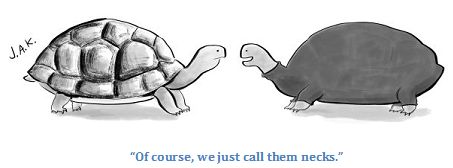
Artist: Jason Adam Katzenstei, The New Yorker, June 2016